

Skip to content

Uncategorized

5 No-Nonsense Ways to Manage Hunger During a Fat Loss Phase

Published

on

5 No-Nonsense Ways to Manage Hunger During a Fat Loss Phase

5 No-Nonsense Ways to Manage Hunger During a Fat Loss Phase

Let’s address the elephant in the room: If you’re in a calorie deficit, you might feel hunger at some point. That’s just part of the deal with fat loss.

The key isn’t avoiding it, it’s learning how to minimize and manage it so it doesn’t derail you.

The difference between successful and failed diets rarely comes down to willpower. It comes down to managing hunger when it comes up so you can stay consistent.

Feeling hungry and frustrated? Here are five ways to handle it without throwing in the towel.

Why Hunger Management Matters

Before we get into the strategies, here’s the deal. Your body doesn’t care that you’re trying to lean out for summer. When you’re in a calorie deficit, your body doesn’t think, ‘fat loss goal’. It thinks, ‘are we running out of food?’

In response to the perceived threat, it ramps up hunger (ghrelin) and lowers fullness signals (leptin) to get you eating again and feeling safe. That’s not you lacking willpower—that’s just biology doing its thing.

Your biology is literally fighting against you.

But with the right approach, you can work with your body instead of against it. Here’s how.

Strategy #1: Avoid Extreme Calorie Deficits to Control Hunger

A big mistake we see with new clients is creating too large of a calorie deficit. They think “if cutting 300 calories helps me lose weight, cutting 800 will help me lose weight faster!”

Quick fix? Maybe. Long-term success? Not a chance. 

When you slash calories too dramatically, your hunger signals go into overdrive. Your body thinks there’s a famine and responds accordingly. This makes the diet miserable and unsustainable.

Here’s what works better:

Aim for a weight loss rate of about 1 pound per week (0.5-1% of body weight). Research shows this pace allows for fat loss while minimizing muscle loss and hunger.

For most people, this means a moderate deficit of 300-500 calories per day below maintenance.

How do you know if your deficit is too aggressive? Warning signs include:

  • Constant thoughts about food
  • Difficulty sleeping
  • Extreme hunger between meals
  • Significant drops in workout performance
  • Irritability or mood swings

If you’re experiencing several of these, consider easing back on your deficit. A slower, more sustainable approach is better than rapid weight loss followed by rapid weight regain.

Strategy#2: Protein for Hunger Management

If there’s one nutritional strategy that gives you the most bang for your buck during a fat loss phase, it’s increasing your protein intake.

Protein is more satiating per calorie than carbs or fats. It requires more energy to digest and helps preserve lean muscle, which is crucial for maintaining your metabolic rate during a deficit.

Here’s what works:

Aim for 0.7-1g of protein per pound of body weight daily. For a 170-pound person, that’s about 120-170g of protein.

This might seem like a lot, but here’s how to make it practical:

  • Include a protein source with every meal and snack
  • Front-load your day with protein (aim for 30-40g at breakfast)
  • Keep ready-to-eat protein sources handy (Greek yogurt, protein bars, cottage cheese)
  • If you’re struggling to hit your target, a quality protein powder can help bridge the gap

Strategy #3: Fiber: The Best Way To Stay Full While Dieting

Volume eating is a game-changer during a fat loss phase. Fiber-rich foods allow you to eat a larger volume of food without overshooting your calories.

Fiber slows digestion, stabilizes blood sugar, and keeps you feeling full longer. But many people fall short of the recommended 25-35g per day.

Easy ways to increase fiber:

  • Start meals with a large vegetable salad or broth-based vegetable soup
  • Choose whole fruits instead of juices
  • Opt for whole grains over refined versions
  • Fill at least half of your plate with veggies (leafy greens, broccoli, zucchini)
  • Keep high-fiber snacks handy (berries, air-popped popcorn, raw veggies)

Strategy #4: Why Sleep is Crucial for Managing Hunger

If you’re shorting yourself on sleep, you’re making hunger management much harder than it needs to be.

Research shows that even one night of poor sleep can:

  • Increase hunger hormone (ghrelin) levels by up to 15%
  • Decrease satiety hormone (leptin) levels
  • Intensify cravings, especially for sweet and salty foods
  • Impair decision-making around food choices

This isn’t just anecdotal. A 2010 study found that sleep-deprived people eat an average of 300 more calories per day than well-rested people. That’s enough to completely negate your calorie deficit.

Sleep hygiene practices that help:

  • Aim for 7-9 hours of quality sleep
  • Establish a consistent sleep schedule
  • Create a sleep-friendly environment (cool, dark, quiet)
  • Limit screen time before bed
  • Avoid caffeine after 2pm

If you’ve had a poor night’s sleep, be extra vigilant about your food choices the next day. Have your meals planned in advance and stick to your routine as much as possible.

Strategy #5: Smart Cardio for Fat Loss Without Increased Hunger

Cardio can be a valuable tool for fat loss, but more isn’t always better. Excessive cardio can actually increase hunger and make your diet harder to sustain.

This happens for a few reasons:

  • High-intensity cardio depletes glycogen stores, which can trigger hunger
  • Too much cardio can increase cortisol, affecting hunger hormones
  • Your body may compensate for hard cardio sessions by making you hungrier

The smart approach to cardio:

Walking is the unsung hero of fat loss. It’s low impact, low stress, and doesn’t dramatically increase hunger. Aim for 8,000-10,000 steps per day as your baseline.

If you enjoy more intense cardio, keep sessions focused and relatively brief (20-30 minutes). Balance high-intensity sessions with recovery days focused on walking.

Many of our most successful clients primarily use weight training (2-4 sessions weekly) with daily walking and minimal traditional cardio.

Bonus Strategy: Environmental Control

Your environment plays a huge role in managing hunger. Simple changes include:

  • Keep trigger foods out of sight (or out of the house)
  • Pre-portion snacks rather than eating from the package
  • Use smaller plates and bowls
  • Keep healthy, satisfying options easily accessible
  • Plan and prep meals in advance to avoid last-minute decisions when hungry

The Bottom Line

Fat loss doesn’t have to be miserable. While some hunger may come up, it shouldn’t dominate your day or make you feel out of control around food.

By implementing these strategies, you can create a sustainable approach that works with your biology instead of against it. This means better results that actually last.

And if that’s something you want help with — building a plan that works for you, your goals, and your real life — that’s exactly what we do at Born Fitness.

Our online coaching is built to help you lose fat (without losing your mind) by giving you personalized guidance, accountability, and support every step of the way.

If that sounds like the kind of help you’ve been missing, you can apply here to see if we’re a good fit.

Continue Reading
Click to comment

Leave a Reply

Your email address will not be published. Required fields are marked *

Uncategorized

The Difference Between Mindful Eating vs. Mindless Eating

Published

on

The Difference Between Mindful Eating vs. Mindless Eating

The Difference Between Mindful Eating vs. Mindless Eating

As a mindfulness-based Registered Dietitian and coach, I often talk about “mindful eating” and “mindless eating.” While the two concepts may seem similar, they actually have very different impacts on our health and relationship with food.

In this article, we’ll explore the differences between mindful and mindless eating and why it’s important to pay attention to how we eat.

Mindful Eating vs. Mindless Eating: Understanding the Difference and Its Impact on Your Health

What is Mindful Eating?

Mindful eating is the practice of paying attention to the present moment and being fully present while eating. This includes paying attention to the sensory experiences of food, such as taste, texture, and smell. It also involves being aware of our physical and emotional states while eating, including hunger and fullness cues, as well as any emotional triggers that may influence our eating behaviors.

One of the key principles of mindful eating is the practice of “eating with intention.” This means that we make conscious choices about what we eat, why we eat, and how we eat. We eat when we’re hungry, and we stop when we’re full. We also choose foods that nourish our bodies and provide us with energy and nutrients.

Mindful eating also supports a positive relationship with food, balancing eating the foods we need for physical nourishment with eating the foods we enjoy without guilt or stress.

Some other key principles of mindful eating include:

  • Eating slowly and savoring each bite
  • Paying attention to the colors, smells, and textures of our food
  • Avoiding distractions while eating, such as phones or television
  • Listening to our bodies and being aware of our hunger and fullness cues
  • Being kind and compassionate towards ourselves and our bodies.

The Benefits of Mindful Eating

There are many benefits to practicing mindful eating. For one, it can help us develop a healthier and more positive relationship with food and our bodies. By being more attuned to our hunger and fullness cues, we can avoid overeating and better regulate our food intake for our unique needs and portions. 

In addition, mindful eating can help us enjoy our food more. By savoring each bite and paying attention to the sensory experiences of food, we can cultivate a deeper appreciation for the foods we eat. This can also help us make more informed food choices by learning to recognize which foods truly satisfy us and which don’t.

Enjoyment is so important to our food experience! 

Research has also shown that mindful eating can have positive impacts on our mental health. By being present and aware while eating, we can reduce stress and anxiety related to food and eating.

What is Mindless Eating?

In contrast to mindful eating, mindless eating is the practice of eating without paying attention to our present-moment experiences. This can take many forms, including eating while distracted (such as watching television or using a phone), eating quickly, or eating in response to emotional triggers rather than physical hunger.

This is a very common experience with food, especially when you’re starting out on your journey to eating more balanced and more mindfully, so give yourself some extra self-compassion at this stage.

Mindless eating can lead to overeating or bingeing, as well as other negative health consequences. When we eat without paying attention to our body’s hunger and fullness cues, we’re more likely to eat past the point of fullness and may consume more calories than we need.

When we eat in response to emotions rather than physical hunger, we may be using food as a coping mechanism to deal with stress, anxiety, or other difficult emotions. While emotional eating isn’t a “bad” experience, when we’re only using food as a coping tool for our emotions over time, this brings more challenges for us to deal with said emotions in a more supportive, long-term way.

Kim, one of our Mindful Nutrition Method students overcame this very challenge of mindless eating during her time in the program. She utilized all the education, tools, strategies, and support inside our program, she said:

“So much has changed. I feel like it’s night and day. I don’t have a lockbox anymore. My binges happen super-less frequently, and when they do, I have tools now that I can use, and I’m still working on using them all of the time, but tools that I can use to work through them. I just feel like, in general, I have a lot less anxiety around food choices.” 

The Impact of Mindless Eating on Health

The most negative impact of mindless eating on our well-being is our relationship with food. When we are disconnected from our bodies and eat out of disconnection or distraction, we’re ignoring our body’s true nourishment needs.

Additionally, research has shown that people who eat while distracted, such as watching television or using a phone, consume more calories than those who eat without distractions. In addition, people who eat quickly tend to consume more calories overall than those who eat slowly. While consuming more food isn’t a “bad” thing, it can lead to a habit of overeating or eating more than our hunger cues are dictating, since we’re not tuning in.

In addition, using food as a coping mechanism for emotional distress can also lead to disordered eating behaviors, such as binge eating or emotional eating, and undereating, which can have a negative impact on our mental health and well-being.

How to Practice Mindful Eating

Practicing mindful eating can take some practice, but it’s a skill that anyone can learn. Here are some tips for getting started:

  1. Slow down and savor each bite. Take the time to chew your food slowly and really savor the flavors and textures.
  2. Eat without distractions. Try to avoid eating while watching TV or using your phone, as these distractions can take your focus away from your food.
  3. Pay attention to your hunger and fullness cues. Take a moment to check in with your body before and during meals to see how hungry or full you are. Here’s a great “mindful eating hunger scale” I created for you to learn your hunger cues.
  4. Choose foods that nourish your body. Opt for nutrient-dense foods that provide your body with the energy and nutrients it needs to function at its best.
  5. Be kind and compassionate towards yourself. Remember that no one is perfect and that it’s okay to have moments of mindless eating. Practice self-compassion and forgiveness when these moments occur.

Takeaway

Mindful eating and mindless eating are two very different approaches to eating that have a significant impact on our health and well-being. By practicing mindful eating, we can learn to pay attention to our present-moment experiences and develop a healthier relationship with food and our bodies. On the other hand, mindless eating can lead to overeating, disordered eating behaviors, and negative health outcomes. By becoming more aware of our eating habits and making conscious choices about what, why, and how we eat, we can cultivate a healthier relationship with food and improve our overall health and well-being.

Find Freedom & Balanced Nourishment.

Embrace a Balanced & Peaceful Relationship with Food.

If you’re looking to develop a healthier relationship with food and transform your eating habits, consider joining our online group coaching program, the Mindful Nutrition Method. Our program is designed to help you cultivate a mindful approach to eating and develop a healthier relationship with food and your body.

Get the 3-part system that will help you discover your balance, enjoy food fully, and nourish your relationship with food to feel confident, balanced, and at peace. You’ll learn the skills and strategies you need to make lasting changes to your health and well-being. Don’t wait to start your journey towards a healthier, happier you.

Join the Mindful Nutrition Method today and discover the transformative power of mindful eating.

Join Now
Additional resources:

  1. Wansink, B., Painter, J. E., & North, J. (2005). Bottomless bowls: Why visual cues of portion size may influence intake. Obesity Research, 13(1), 93-100. doi: 10.1038/oby.2005.12
  2. Hetherington, M. M., & Rolls, B. J. (2019). Mindful eating: Sustained weight loss and reduction in psychological distress for women. Obesity, 27(8), 1153-1161. doi: 10.1002/oby.22592
  3. Robinson, E., Kersbergen, I., & Brunstrom, J. M. (2014). Imagined consumption reduces actual consumption. Science, 346(6207), 723-725. doi: 10.1126/science.1255573
  4. Mantzios, M., & Wilson, J. C. (2015). Exploring mindfulness and mindfulness with self-compassion-centered interventions to assist weight loss: Theoretical considerations and preliminary results of a randomized pilot study. Mindfulness, 6(4), 824-835. doi: 10.1007/s12671-014-0302-z

originally posted 3/31/23
Continue Reading

Uncategorized

Quest Spicy Queso Meatballs Recipe

Published

on

Quest Spicy Queso Meatballs Recipe

Quest Spicy Queso Meatballs Recipe

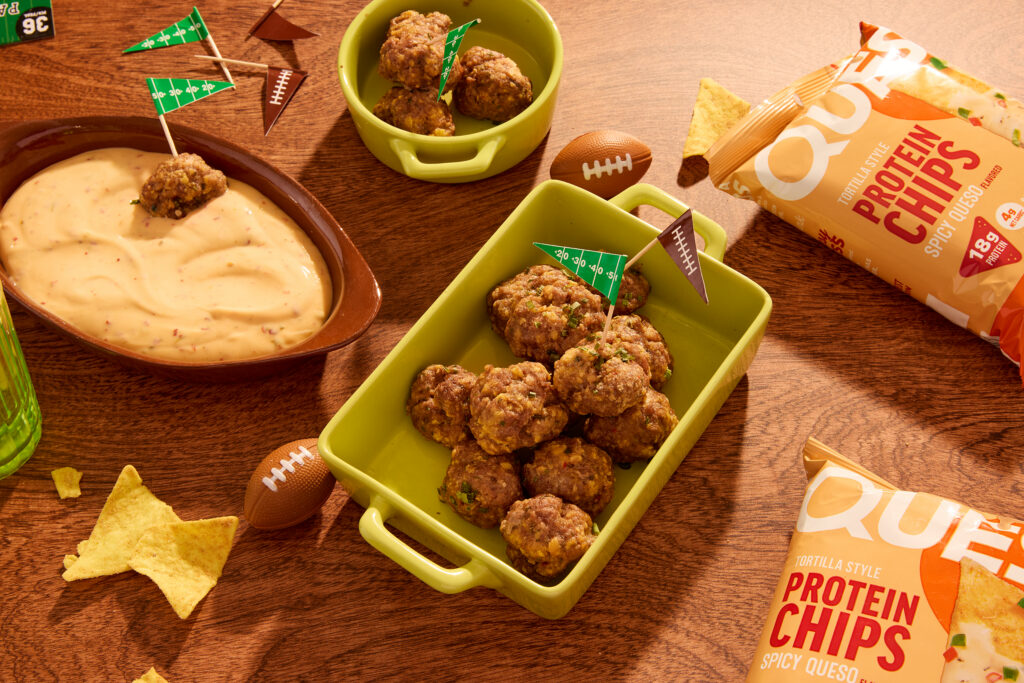
For too long, meatballs have been expected to behave themselves. Sit politely atop spaghetti. Take a bath in red sauce. Maybe show up on a hoagie if they’re feeling adventurous. Questified Spicy Queso Meatballs have other plans. Lean ground beef gets mixed with crushed Quest Spicy Queso Flavor Tortilla Style Protein Chips, jalapeño, chili powder and paprika for a spicy, cheesy twist that takes the humble meatball into completely uncharted lands. And suddenly, spaghetti feels very far away.

Check out the full recipe below:

W2 Football Queso Meatballs, Sep 2026

NUTRITIONAL INFO

SPICY QUESO MEATBALLS

Yields: 6 servings |  Serving Size: 3 meatballs

Calories: 220  | Protein: 23g | Fat: 13g | Net Carb: 2g

Total Carb: 3g | Sugar: <1g

Ingredients

SPICY QUESO MEATBALLS

  • 1lbs ground beef, lean
  • 1 egg
  • 2 bags Quest Spicy Queso Tortilla Chips, crushed
  • 1 jalapeno, seeds removed and diced
  • ¼ cup almond flour
  • 1 tbsp chili powder
  • 1 tbsp paprika
  • ¼ tsp salt

Method

  1. Preheat the oven to 400F and line a large baking sheet with parchment paper.
  2. Place all the ingredients into a large mixing bowl and combine.
  3. Separate the mixture into 18 evenly sized balls and place them on the baking sheet.
  4. Bake the meatballs for 10-12 minutes and cooked through. Serve immediately with spicy queso dip if desired.

Continue Reading

Uncategorized

Fasting and Chemotherapy: A Potential Double Benefit

Published

on

Fasting and Chemotherapy: A Potential Double Benefit

Fasting and Chemotherapy: A Potential Double Benefit

Might short-term fasting during cancer treatment minimize side effects while boosting efficacy?

For the last 50 years, chemotherapy has been a major medical treatment for a wide range of cancers. Its main strategy was largely based on targeting cancer cells, by means of DNA damage caused in part by the production of free radicals. “Although these drugs were first believed to be quite selective for tumor cells, we now know that normal cells also experience severe chemotherapy-dependent damage, leading to dose-limiting side effects including myelosuppression [bone marrow and immune system suppression], fatigue, vomiting, diarrhea and in some cases even death.” And if you do survive, the DNA damage to normal cells can even lead to new cancers down the road. There are cell-protecting drugs that have been tested to reduce the side effects so higher doses of chemotherapy can be given, but these drugs have not been shown to increase survival, in part because they may also protect the cancer cells. What about instead using fasting for cellular protection during cancer treatment?

“Fasting may have an unrecognized role in cancer prevention and treatment.” Short-term fasting before and right after chemotherapy might minimize side effects while actually making cancer cells more sensitive to treatment. That’s exciting! During nutrient deprivation, healthy cells switch from growth mode to maintenance and repair, but tumor cells are unable to slow down their unbridled growth due to growth-promoting mutations that led them to become cancer cells in the first place. This inability to adapt to starvation may represent an important Achilles’ heel for many types of cancer cells.

Because healthy cells and cancer cells respond so differently to short-term fasting, chemotherapy causes more DNA damage and cell suicide in tumor cells while potentially leaving healthy cells unharmed. Thus, short-term fasting may protect healthy cells against chemotherapy’s toxic properties and make tumor cells more sensitive—or at least that’s the theory. Let’s test it out.

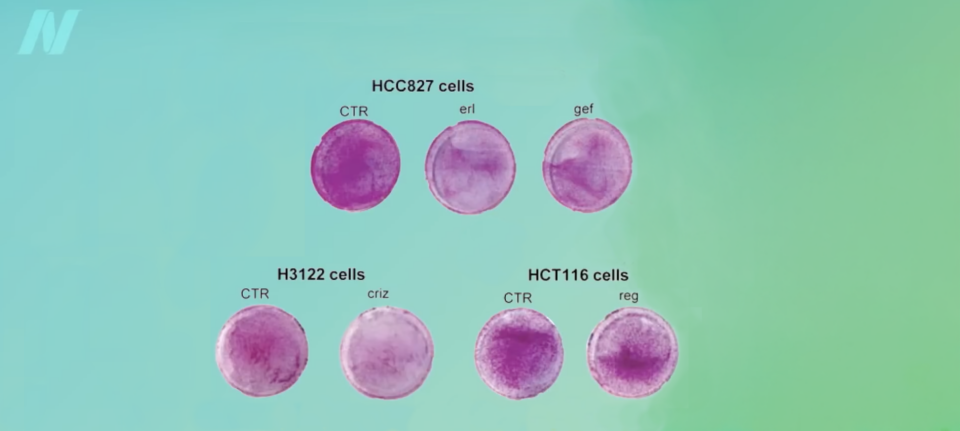
Tyrosine kinase inhibitors (TKIs) are a group of chemotherapy drugs that have become a mainstay of treatment for many types of cancer. Let’s see them in action. Below and at 3:00 in my video Fasting Before and After Chemotherapy and Radiation are before-and-after photos of petri dishes filled with cancer cells (two types of lung cancer cells and one type of colorectal cancer) that have been dyed pink.

This is what they looked like before treatment:

And this is what they looked like after being exposed to the chemotherapy drugs erlotinib, gefitinib, crizotinib, and regorafenib:

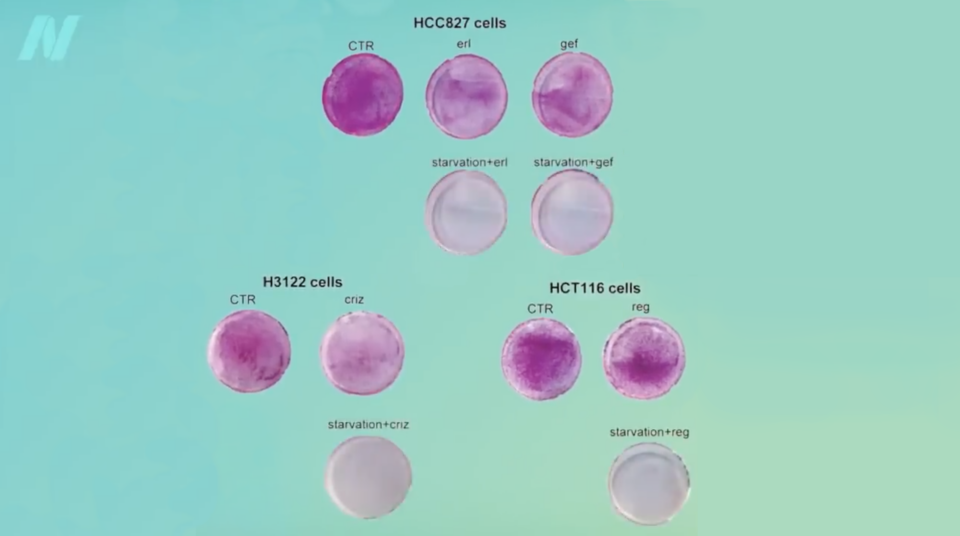
See how there’s less pink? That shows how many cancer cells the drugs killed off. Starve the cells for 24 hours first, though, and the drugs work even better, as you can see below and at 3:11 in my video:

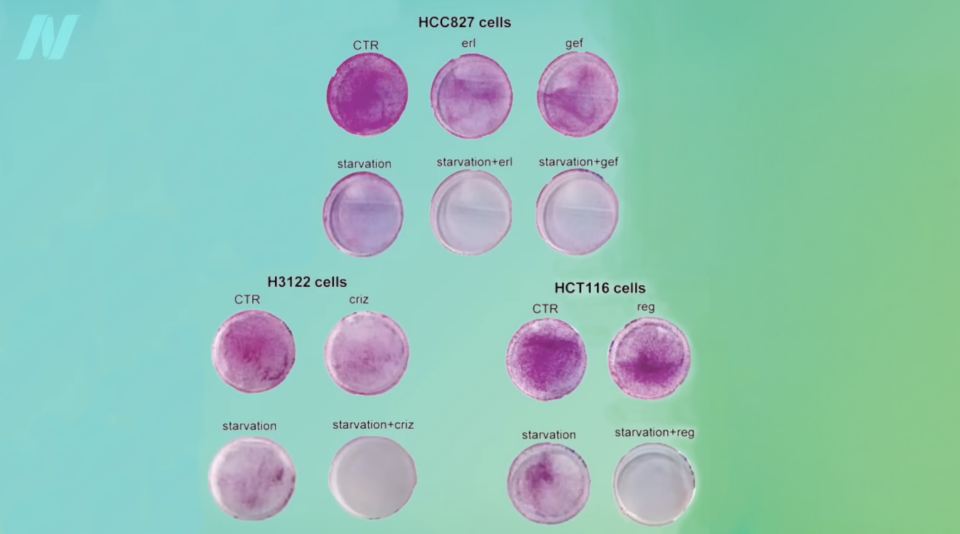
Even the starvation alone without the drugs killed off a bunch of them:

The researchers concluded that 24 hours of starvation potentiated the activity of these TKI drugs commonly used to treat solid tumors. But that was in a petri dish.

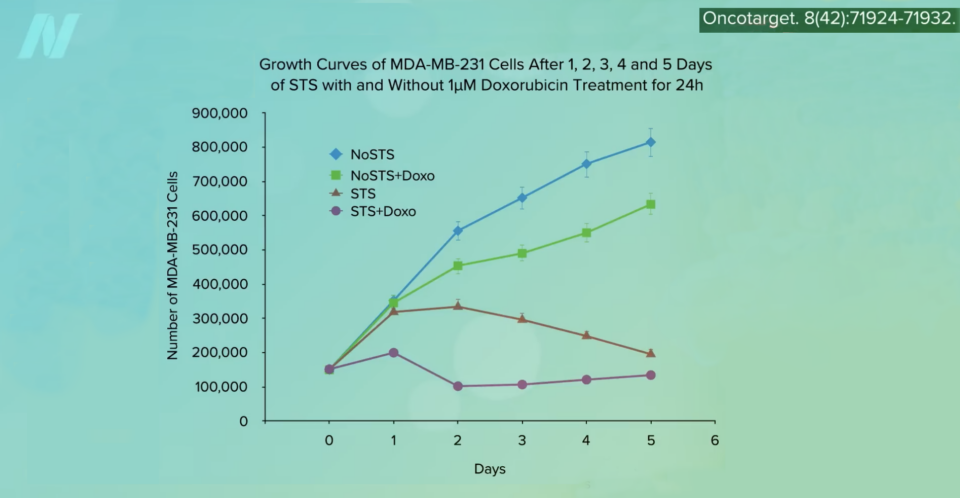
Similar results were found for breast cancer and a chemotherapy drug called doxorubicin. Over five days of unhindered growth, breast cancer cells in a petri dish increased from 150,000 to 800,000. Dripping on a little chemo can knock that down to around 600,000, but starving those cells for 48 hours first and then adding the chemo can completely keep them in check. Even short-term starvation alone can restrain their growth. You can see these results below and at 3:54 in my video.

Short-term fasting raises the possibility that you could get twice the effect for half the dose, which may be particularly important for a drug as toxic as doxorubicin, which causes heart failure in as many as one in three at higher doses. Again, though, these are just in vitro studies in a petri dish.

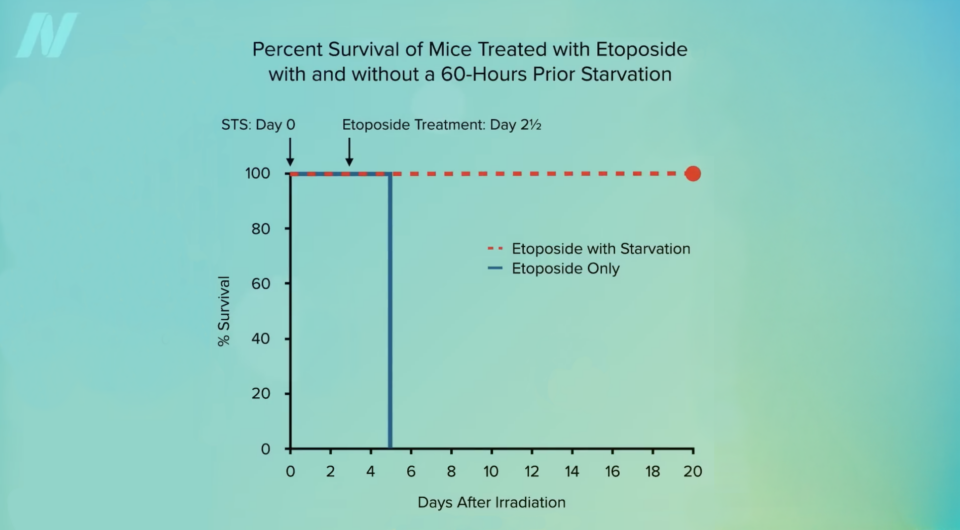
Then, researchers moved to mice and found the same dual benefit: less toxic chemotherapy, yet at the same time more effective, and not just by a little. They used a dose of chemotherapy high enough to kill 100% of mice in less than a week. But when another group of mice was starved for 60 hours beforehand, 100% survived the same dose, as you can see below and at 4:33 in my video.

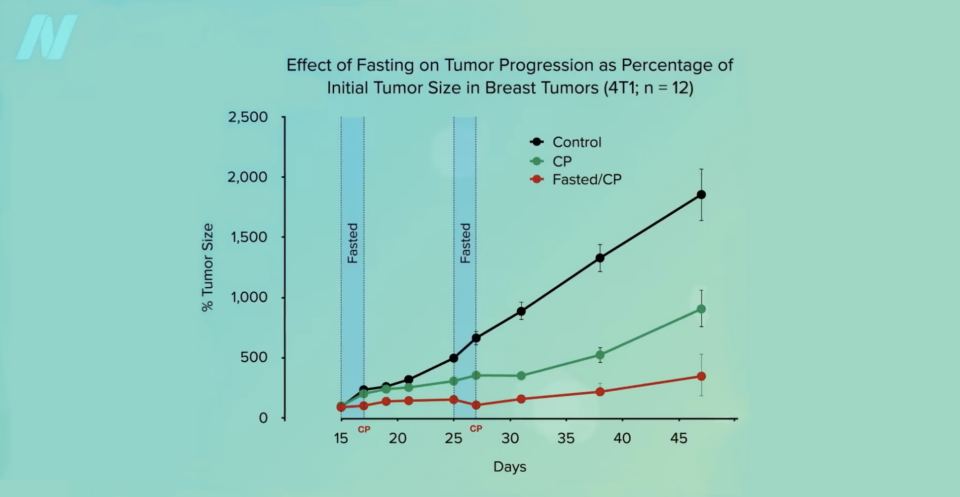
Okay, that’s the toxicity. What about efficacy? Below and at 4:44, you can see tumor growth without chemotherapy, growth with chemo, and with chemo after short-term fasting.

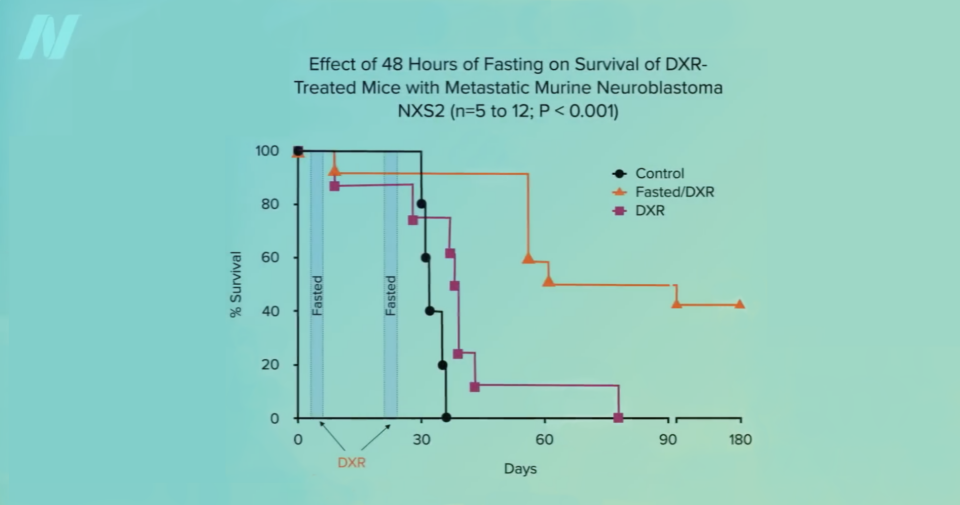
This translated into improved survival, which you can see at 4:46:

Interestingly, fasting alone appeared to work as well as the chemotherapy; the same was true with radiation. Unbridled tumor growth was knocked down by radiation therapy, and even more so after the combination of radiation and alternate-day fasting, but alternate-day fasting alone seemed to do as well as the radiation.

Okay, but that’s breast cancer in mice. I’m sure Mickey is thrilled for Minnie, but what are the effects in people? We’ll explore that next.

Doctor’s Note

This is the second blog in a four-part series on fasting and cancer. In case you missed the first blog, see Could Fasting Help Cancer Patients?.

The next two blogs in the series are Can Fasting Make Chemotherapy More Tolerable? and How to Get the Benefit of Fasting During Chemotherapy… Without Actually Fasting.

Be sure to watch my overview videos on chemotherapy: How Effective Is Chemotherapy? and How Much Does Chemotherapy Improve Survival?.

All of my videos on fasting can be found on this topic page or in the recordings of my fasting webinar series.

Continue Reading
Advertisement

Recent Posts

Advertisement

Sponsored Ads

TRENDING