

Supplements
Probi’s probiotic strain expands footprint in application format and market

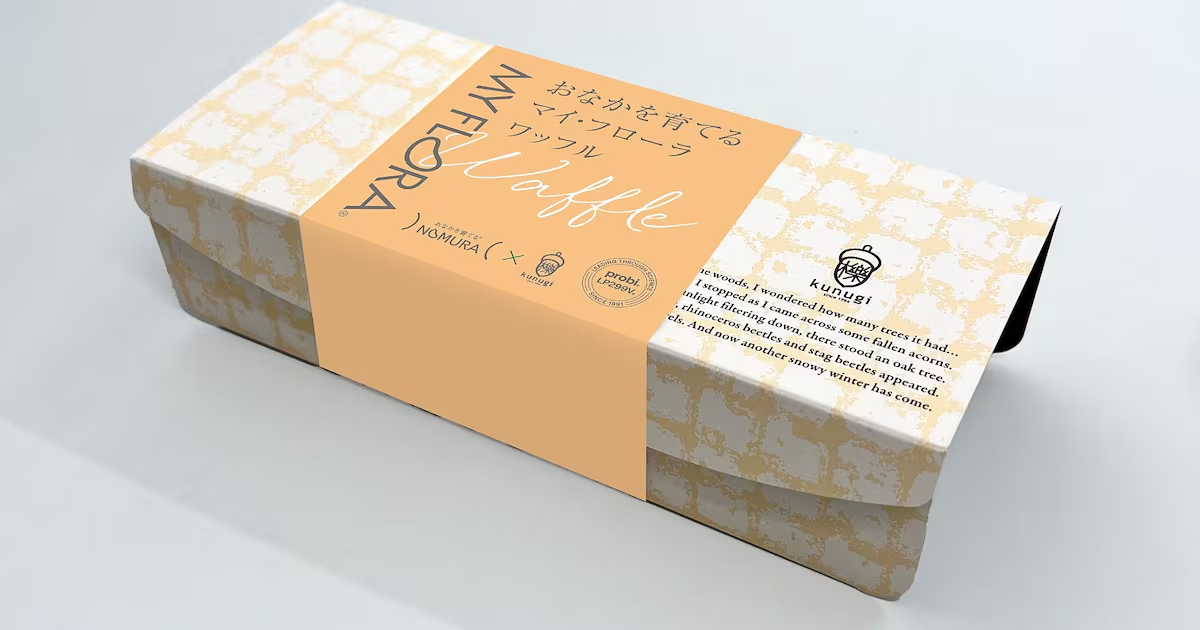
Probi first introduced LP299V to Japan’s functional beverage market in 2025 through collaboration with Japanese food manufacturer Nomura Dairy.
Building on this partnership, the probiotic strain has been applied in a new bakery product called My Flora Waffle, which was launched in Japan by Nomura Dairy in collaboration with Hiroshima-based waffle specialist Kunugi.
Launched on October 1, the product uses cream made with Nomura Dairy’s My Flora gut health drink. Each waffle contains 10 billion CFU of live LP299V bacteria.
“We wanted to make gut health an accessible, enjoyable and familiar part of everyday routines. Our work with Kunugi brings My Flora into a new format that combines the quality and flavor of a specialty waffle with the benefits of LP299V. We believe that with every bite, this product will give consumers a delicious new way to focus on gut health,” said Koji Nomura, Chief of R&D Department at Nomura Dairy.
Discovered and isolated from healthy human intestinal mucosa in Sweden in the 1980s, LP299V has undergone more than 35 years of scientific research and more than 90 human clinical studies, making it one of the most extensively researched Lactiplantibacillus plantarum strains available today.
In particular, an eight-week randomized, placebo-controlled study conducted among healthy Japanese adults with a tendency towards loose stools found that participants receiving a beverage containing at least 10 billion CFU of LP299V daily had significantly lower bowel movement frequency than those receiving a placebo during the assessment period.
The findings were published in the Japanese Journal of Medical and Pharmaceutical Sciences in 2025.
For Probi, the launch of My Flora Waffle underscores LP299V’s versatility in application into new formats, which enables its partners to explore novel ways to incorporate probiotic strains into food products beyond conventional probiotic drinks and supplements.
“Nomura Dairy’s My Flora Waffle is a good example of how customer collaboration can deliver exciting new applications for LP299V. Our work initially focused on a functional beverage, but this latest launch takes the strain into a different category,” Amy Lau, Marketing Manager APAC at Probi, added.
The company looks to continue contributing to the development of products that can bring science-backed probiotic solutions to new occasions and markets.
Extending reach in Thailand
Probi is also strengthening its presence in Thailand with a new development—a multi-biotic supplement containing LP299V has recently debuted in the market.
Named TRIBIOTIC PRO and sold under the brand BioActive+, the supplement combines 11 pre-, pro- and postbiotics in a single formulation with LP299V as the key probiotic ingredient.
Targeted supporting the whole gut ecosystem, it comes as a ready-to-eat powder with a recommended dosage of one sachet a day. It claims to be “ideal for” people with bloating issues or irregular bowel habits.
According to Probi, as consumer interest in gut health and microbiome science grows, brands and supplement manufacturers continue to look for biotic ingredients with a credible scientific foundation, a clear mechanism, and proven efficacy.
The selection of LP299V shows how collaboration between local brands in Asia and specialist ingredient suppliers in the Nordics can translate scientific expertise into new products for specific regional markets.
“We value partnerships that bring together local market understanding and established probiotic science. The launch is an important opportunity to extend the reach of LP299V in Thailand and further develop our presence across South East Asia,” Lau said.
Through these partnerships, Probi aims to continuously offer its biotic ingredients to new product applications and markets, supporting customers seeking research-backed solutions for the evolving microbiome health category.

Continue Reading
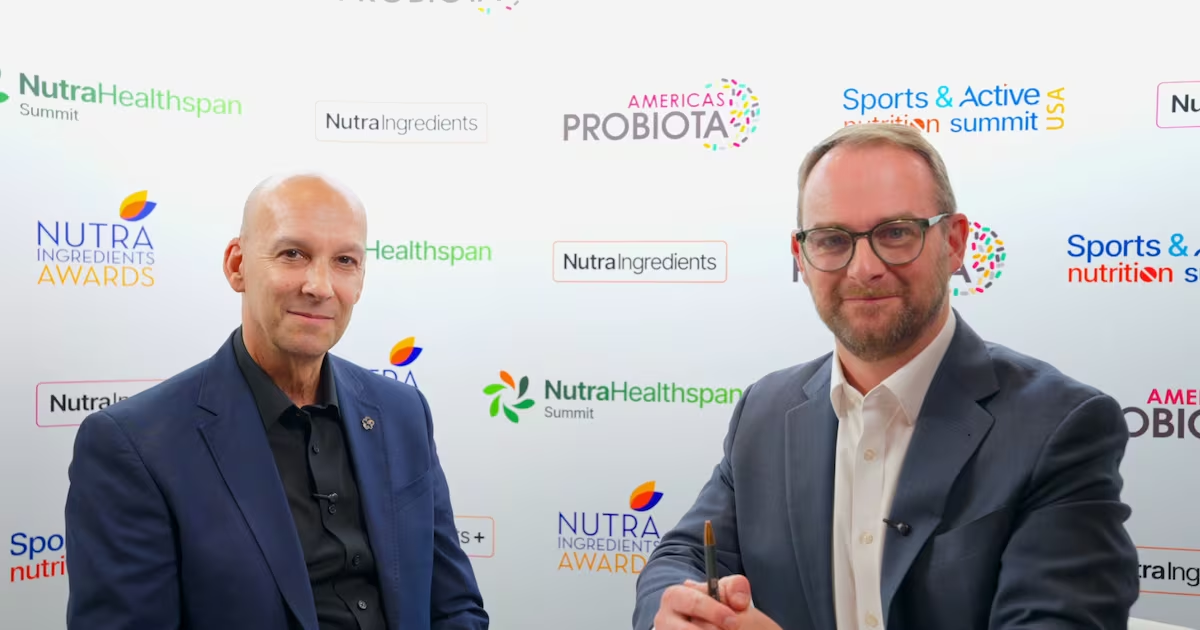

Speaking with NutraIngredients at the recent SupplySide Global in Las Vegas, Doug Brown, the CEO of Amai Proteins, explained that sweet proteins are found naturally in different plants, but they previously posed challenges to produce industrially because of cost, availability, stability and taste profile. Amai Proteins (‘Amai’ is ‘sweet’ in Japanese) uses precision fermentation to produce its sweelin hyper-sweet protein that is 3000 times sweeter than sugar in most applications.
“Sweet proteins are a new category for the market,” said Brown. “We are really just sort of at our launching point for the whole industry. I think we’re having a moment right now because there’s a converging with the GLP-1 movement, the higher protein movement.”
Findings from a clinical trial, published earlier this year in Food Chemistry, showed that sweelin does not increase blood glucose, insulin or GLP-1 levels in healthy individuals. The ingredient was comparable to stevia, but at a much lower dose (0.051 grams of sweelin compared to 0.225 g of Reb-M).
“These findings support the potential of sweelin as a metabolically neutral sugar alternative that can support consumers who are trying to reduce added sugars in their diet,” wrote the study’s authors.
Amai Proteins has already received a letter of no objection for the GRAS (Generally Recognized as Safe) status of the ingredient in the U.S., which adds to regulatory clearance already achieved in Israel and Singapore, said Brown.
“We are expanding those regulatory efforts in Europe as well as Australia, China, Japan, most of the rest of the world, Latin America. Sugar reduction is a key component in most societies right now, so our goal is to be able to meet the need everywhere,” he added.
Stability and applications
Brown noted that, on a cost basis, since the ingredient is so much sweeter than sugar, it actually turns out to be less costly than sugar.
“For most applications, you’re not going to just take out all the sugar and replace it with the sweet protein because sugar adds other characteristics, mouthfeel, etc., and bulk, but it allows you opportunities to create a higher value proposition in the consumer product, whether it’s a beverage, a stick pack, a dry mix, chocolate, gum. It’s a whole host of sports nutrition products, and the real value here is that you can you gives you greater ability to formulate because you’re not adding calories, you’re reducing the sugar content in the bulk,” he said.
The ingredient is very heat stable, up to a point, he added, noting that sweelin works “perfectly well” in any application prepared below 95 Celsius (203 F) and 10 minutes of heat duration.
“You might combine it with other alternative sweeteners like munk fruit or stevia to create the right flavor profile depending on the product,” said Brown. “There’s a lot of optionality here. It’s very exciting.”
Watch the video for the full interview


Tokyo-based IN MIST, born from an in-house innovation program at Suntory, has added a new product, specifically targeting children with picky and inconsistent eating habits, to its mist supplement range.
The brand’s development of the mist format stemmed from consumer feedback regarding supplement intake challenges, including dislike for pills and tablets, frequently forgetting to take supplements, and inability to keep up with supplementation habits.
Called Kids Essential, the product contains seven types of vitamins, namely B1, B2, B6, C, D, niacin and pantothenic acid, as well as dietary fiber.
Japan’s healthy longevity sector is expanding beyond established anti-aging ingredients, with new developments spanning gut microbiome research, autophagy product certifications, and PQQ-fortified beverages and gummies.
While there are many factors that contribute to longevity, diet is often considered one of the secrets to Japan’s long life expectancy.
Beyond scientific research and ingredients, certification programs and industry consortiums have emerged in recent years, enriching the country’s healthy longevity ecosystem.
A new study from Japan reported inconclusive benefits for cardiopulmonary and cognitive function in healthy individuals who took NMN and formulations containing NMN and other actives such as ginsenosides, berberine, PQQ, CoQ10, and spermidine for 42 days.
The study also explored the effects of NMN formulations on biological age, which researchers said demonstrated a decrease but did not amount to biological age reversal.
Still, researchers said that the findings provided a foundation for investigating NMN-based nutritional strategies to support healthy aging.
Growing awareness of andropause in Japan could open new market opportunities for health supplement companies, Japanese ingredient supplier and distributor Octroll told NutraIngredients at the recent Health Ingredients Japan (Hi Japan) show held in Tokyo.
An area in which the company sees an opportunity is using ingredients traditionally used to increase testosterone levels and improve sports performance to relieve male menopause symptoms.
The Japanese government has flagged andropause as a “social issue” that could result in an economic loss of JPY 2 trillion (US$12.7 billion) annually.
Mitsubishi Corporation Life Sciences Limited (MCLS) revealed new evidence and strategies for its NMN and cysteine peptides functional ingredients, specifically their applications for hair and skin health respectively, at Hi Japan 2026.
Speaking to NutraIngredients, Yosuke Morita from the Sales and Marketing Group, Nutrition Business Division, said that the company’s interest in NMN for hair health came from consumer feedback on its product NMN fáinə, which has a recommended daily dosage of 250mg.
“Some consumers have reported subjective effects on how their hair condition has improved, which was why we decided to conduct a study to validate and prove the effects objectively,” he said.


Kimberlee J. Burrington, vice president of technical development at the American Dairy Products Institute (ADPI), believes the industry’s focus on sports nutrition has left a gap in healthy aging.
“Sports nutrition is important, though I feel that the next focus I think we need to have as an industry is unhealthy aging,” she told NutraIngredients at the recent The Whey Ahead conference in Chicago, characterizing the category as a potential “missed opportunity.”
Research into protein’s role in helping older adults maintain muscle has been underway for some time, Burrington said, but she believes the issue warrants more attention.
The consequences of inadequate protein intake can be serious. For example, she highlighted, muscle loss can affect balance and increase the risk of falls, particularly among older people who aren’t getting enough high-quality protein.
Getting more protein into less product
For manufacturers, delivering more protein isn’t always easy. Burrington said product developers are being asked to increase protein per serving while still making something people want to eat or drink.
Beverages can be particularly troublesome, she added, as too much protein can cause settling, gelling or other changes that affect the finished product.
Some protein shots now contain around 20 g in just 100 mL, a concentration Burrington said is difficult to achieve without compromising taste.
“It’s not easy to do, and or easy to make it taste good,” she said.
Bars present similar challenges, with manufacturers trying to increase protein content while maintaining product quality.
GLP-1s raise new questions
Burrington is also interested in research beginning to look at whey protein and GLP-1 weight-loss medications.
The question is whether whey could help people taking these drugs retain muscle while losing weight. Researchers are only beginning to investigate this, and Burrington said nutritional data specific to these users are not yet available.
“If they help them maintain more muscle while they’re losing weight, I think that would be a really cool outcome,” she said.
Whey has become more popular and more expensive over the past four years, Burrington noted. She expects researchers to learn considerably more about its potential uses over the next four.
For now, she sees plenty of work still to be done, both in understanding what whey can offer different consumers and in making products that deliver enough protein without sacrificing taste.
-
 HEALTH & WELLNESS8 years ago
Acidophilus: A Probiotic Bacterium
-

 herbs3 years ago
The Ultimate Guide to Ashwagandha Extract: Stress Relief and Optimal Health Unveiled
-
 HEALTH & WELLNESS7 years ago
Herbs and Essential Oils to Fight Coronavirus
-
 TRAINING & FITNESS8 years ago
6 Ways to Decrease your Shoulder Pain!
-
 Fitness8 years ago
“No Pain, No Gain” True or Just a Fitness Myth
-
 HEALTH & WELLNESS8 years ago
Why Muscles Get Sore
-
 DIET & NUTRITION8 years ago
Low Carb Diet: Carbohydrates Influence on Testosterone
-
 TRAINING & FITNESS7 years ago
Training to Failure Every Set… Pathway to New Muscle or Pathway to Overtraining?