

Supplements
Pilot study indicates turmeric shot may influence inflammation via the gut



Researchers from UK institutions and universities including Teagasc Food Research Centre, Ireland, Nottingham Trent University and Rotherham United Football Club, conducted a study in which they followed 11 male professional footballers for six months.
Eight of the players opted to take the The Turmeric Co.’s Raw Turmeric Original shots twice daily while three players acted as a control group.
The researchers analyzed gut microbiota changes through shotgun metagenomic profiling of fecal samples at baseline, week 2, and at the end of intervention.
Findings published in Performance Nutrition, indicated an increase in Blautia, a bacteria previously linked to anti-inflammatory effects, and a decrease in Alistipes, a bacteria linked with inflammation, in those consuming the shots compared with the control group.
“The gut microbiome may influence metabolism, immune function and inflammation, which makes it an important area of investigation in nutrition research,” said Dr Loris Juett, lead research scientist at University of Leicester and The Turmeric Co. and study co-author. “The changes we observed in Blautia and Alistipes are interesting because previous research has linked these with metabolism and inflammation.
“This gives us specific questions to investigate next: whether these patterns are replicated in larger studies and whether they relate to measurable health effects.”
Dr Juett said The Turmeric Co. will conduct a follow-up study with a larger sample size, ideally combining gut microbiome analysis with markers of metabolism and inflammation, as well as subjective measures such as gut symptoms and muscle soreness.
Turmeric and the gut microbiome
The gut microbiome plays a role in digestion, metabolism and immune function. Curcumin, a naturally occurring compound in turmeric, is known to be poorly absorbed into the bloodstream when consumed in the form of food and drink. This has prompted the researchers in the current study to investigate whether interactions within the gut could help explain some of its potential biological effects.
The resulting data indicated increases in Blautia wexlerae and Blautia obeum in the turmeric beverage group, and decreases in Alistipes putredinis and Alistipes onderdonkii, compared with the control group.
The overall findings indicated modest microbiome changes, rather than large changes across the whole microbial community.
Research informing the wider business
The Turmeric Co. was founded in 2018 by former Wales international Thomas ‘Hal’ Robson-Kanu and his father, following his own search for nutritional support to inflammation during his football career.
To date, The Turmeric Co has conducted four of its own peer-reviewed and published research indicating the shots improve markers of recovery, reduce post-exercise gut damage in elite male footballers, and reduce menstrual cycle symptoms in female footballers.
Robson-Kanu told NI the brand is committed to improving the standards for scientific substantiation of finished products in the supplements industry.
“My father and I started The Turmeric Co. to share the homemade turmeric blends we developed together… As the business has grown, so has our commitment to understanding our products through research and communicating the findings clearly,” he said. “Research helps inform how we develop products, the questions we ask and the conversations we have with healthcare professionals, retail partners and customers.
“We want to build a business that people can trust over the long term, and that means continuing to investigate our products and being open about what we learn.”
Dr Juett added that the team is currently conducting a double-blind randomized controlled trial investigating the effects of The Turmeric Co. shots on the physiology and wellbeing of middle-aged and older adults as well as a study examining the bioavailability of curcumin from the shots.
Source: Performance Nutrition, https://doi.org/10.1186/s44410-026-00033, “Effects of turmeric beverage consumption on gut microbial diversity during a professional soccer season: a pilot study”. Authors: Clayton, D.J., et al

Continue Reading
A multi-ingredient joint health formula improved exercise tolerance in individuals with knee pain, according to a 12-week pilot study published in Nutrients.
Containing collagen, curcumin and hydrolyzed bone powder, the formula helped endurance-trained adults perform more load-bearing repetitions.
The study from China randomized 60 endurance-trained adults with activity-related knee discomfort into three groups, receiving either undenatured type II collagen, curcumin phytosome and enzymatically hydrolyzed bone powder or glucosamine hydrochloride plus chondroitin sulfate or placebo.

Researchers from Australia’s Southern Cross University are seeking to reduce the cost of omega-3 supplement production through an ongoing study.
Backed by an 18-month grant from the Gates Foundation, the study uses precision fermentation to produce fish-free omega-3 from marine microorganisms called thraustochytrids.
Led by Professor Dirk Erler, the research team is investigating how to grow thraustochytrids at a lower cost, including using agricultural and food-processing by-products to provide the sugars needed for growth.

Heat-killed Lactiplantibacillus plantarum L-137 (HK L-137) improved markers of inflammation and gut barrier function in menopausal women.
It was also associated with beneficial changes in sleep and body mass index in participants with high stress levels.
House Wellness Foods Corporation, which funded the study, wrote in Nutrients that the postbiotic could be beneficial in menopausal women with high stress levels through gut barrier-related host responses.

Capsifen capsaicin supplementation may significantly improve total cognitive function and neurovascular coupling, while simultaneously reducing waist-to-hip metrics in overweight older adults.
Researchers at Australia’s University of Southern Queensland noted that the findings provided preliminary evidence that “chronic capsaicin supplementation may improve cognition and neurovascular coupling in humans”.
The research used India-based Akay Bioactives’ capsaicin ingredient, Capsifen.

A study from Japan reported inconclusive benefits for cardiopulmonary and cognitive function in healthy individuals who took NMN and formulations containing NMN and other actives such as ginsenosides, berberine, PQQ, CoQ10, and spermidine for 42 days.
Specifically, the study found no statistically significant improvements in cardiopulmonary or cognitive function outcomes—the study’s primary objectives—between the placebo and NMN groups.
Although the group taking NMN formulated with seven other actives showed favorable improvements in cognitive function compared with placebo, the findings were not statistically significant.
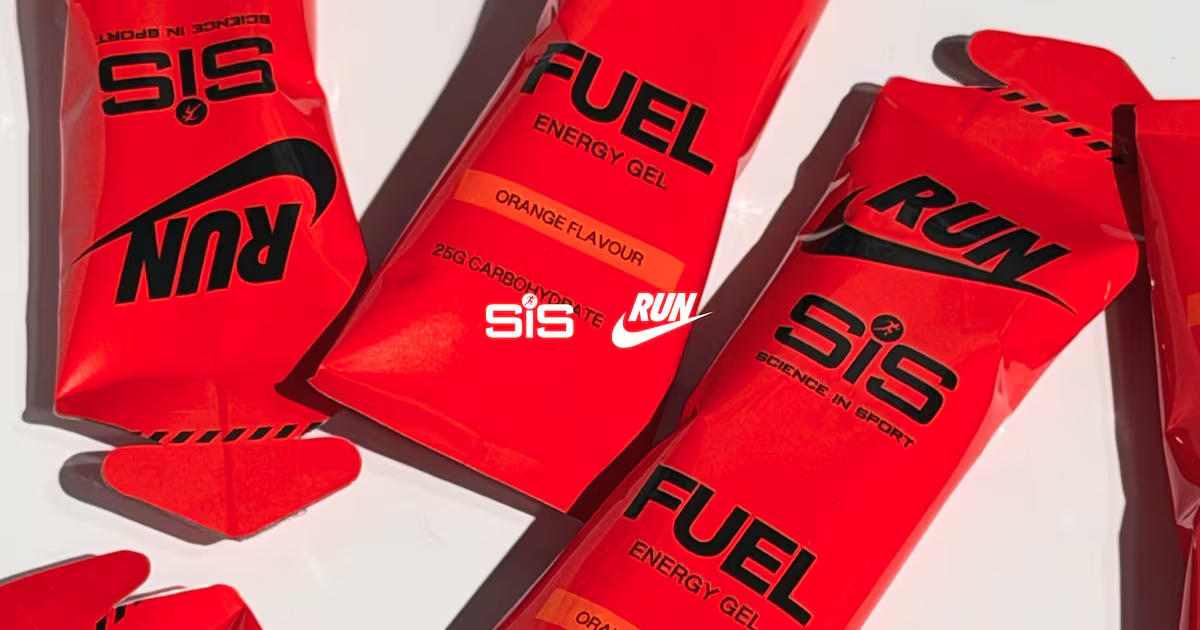
The collaboration will see the two companies introduce a co-branded performance nutrition range in spring 2027 (with further details yet to be announced), combining SiS’s formulation and manufacturing expertise with Nike’s consumer insights, brand and design capabilities.
The global sportswear brand Nike, which specializes in athletic footwear, apparel, equipment and performance innovation, sponsors thousands of elite athletes, teams, clubs and sporting organizations worldwide, using these partnerships to promote its products, support sporting performance and strengthen its global brand presence.
SiS, with an extensive portfolio covering most of the core performance nutrition categories, has a long history of working with elite sporting talent, including Olympic champions Adam Peaty, Sir Chris Hoy and Alistair Brownlee, cyclist Mark Cavendish, runner Eilish McColgan, heptathlete Katarina Johnson-Thompson and marathon world champion Gotytom Gebreslase.
Daniel Lampard, chief commercial and operating officer at SiS, told NutraIngredients that the multi-year partnership is a landmark moment for the business, providing an opportunity to accelerate its commercial growth, expand its global reach and make performance nutrition more accessible, while helping runners better understand and incorporate fueling into their performance journeys.
“Expanding our partnership with Nike is a tremendous opportunity to bring our science, product development expertise and ambition to more runners,” Lampard said. “Ultimately, we want to leave a lasting impact on the running community and help shape the future of performance nutrition.”

Making performance nutrition accessible
Lampard noted that through the partnership, SiS aims to break down the perception that performance nutrition is reserved for elite athletes and demonstrate its relevance to runners of all abilities.
“Nutrition remains one of the most underutilized performance advantages available to runners and there is a significant opportunity to improve understanding of how effective fueling can support training and race-day performance,” he said.
“By making the science more accessible and helping runners incorporate fueling into everyday routines, we believe we can drive greater adoption of performance nutrition and unlock meaningful, sustainable category growth.”
He added that SiS believes nutrition should form a fundamental part of the running experience, alongside choosing the right footwear and following a structured training program.
“While runners are increasingly conscious of the factors that influence their performance, there is still considerable opportunity to improve their understanding of effective fueling,” Lampard said. “By making proven fueling principles more accessible, we want to encourage a holistic approach to athletic performance.”
The female athlete
The partnership follows SiS’s role as the Performance Fuel and Hydration Partner for the 2026 Nike After Dark Tour, the global women’s running series designed to challenge barriers to female participation in sport, particularly the safety concerns and lack of confidence that can prevent women from running after dark.
“Historically, sports performance research has been heavily weighted towards male athletes, leaving significant gaps in our understanding of female physiology and its implications for fueling and hydration,” Lampard said.
The company is also investing in closing the knowledge gap around female athlete nutrition through research into elite female marathon runners and insights from athletes such as McColgan, shared through its Elite Performance Advisory Panel.
“We believe the next frontier in endurance performance won’t come from simply applying existing knowledge to female athletes but from developing a deeper understanding of their specific physiological needs and translating that science into practical fueling recommendations.”


Researchers in Italy and Pakistan compared nearly 300 participants who were randomly allocated to take the supplement for 14 days or to follow a diet without supplementation.
“Adding α- and β-galactosidases plus an Aspergillus niger-derived prolyl endopeptidase to a low-FODMAP diet provided additional clinical benefit in adults with Rome IV IBS, particularly for bloating, flatulence, abdominal discomfort, and abdominal pain,” they wrote in Frontiers in Nutrition.
“Rather than replacing dietary intervention, enzyme supplementation may enhance its clinical effectiveness by reducing the luminal burden of selected fermentable substrates and supporting a less restrictive and more personalized approach.”
The FODMAP diet for IBS management
The low FODMAP (Fermentable Oligosaccharides, Disaccharides, Monosaccharides, and Polyols) diet is widely recognized for managing irritable bowel syndrome (IBS) symptoms and, according to a 2025 systematic review and meta-analysis, has the strongest evidence.
The low FODMAP diet restricts short-chain carbohydrates that are poorly absorbed in the small intestine. The unabsorbed molecules exert an osmotic effect, drawing water into the intestine and potentially causing loose stools in people with IBS. Once the carbohydrates reach the colon, resident bacteria ferment them, contributing to symptoms such as bloating, pain, and gas. Therefore, restricting foods that contain these types of carbohydrates has been shown to reduce IBS symptoms.
However, the FODMAP diet is not recommended as a long-term or permanent dietary adjustment. It can be challenging to adhere to, which can lead to nutrient shortfalls and alterations in the gut microbiota.
Enzymes can help reduce intestinal exposure to poorly digested carbohydrates. The enzyme α-galactosidase can help to break down galacto-oligosaccharides, and β-galactosidase breaks down lactose, potentially reducing the amount of fermentable carbohydrates reaching the colon. Proline-rich gluten peptides have previously been shown to break down gluten under gastric conditions. Therefore, the current researchers evaluated whether supplementation with these enzymes, in addition to a low-FODMAP diet, could be supportive for IBS.
The study
The prospective, multicenter, randomized controlled study involved 292 adults diagnosed with Rome IV IBS. They were allocated to a low-FODMAP diet alone or the same diet plus enzyme supplementation for 14 days.
The supplement used was Galactol, a commercially available gastroprotected multi-enzyme dietary supplement marketed by PharmExtracta S.p.A., Italy. The researchers assessed the participants’ symptoms at the start and end of the study.
The findings showed that although both groups improved significantly over time, the symptom reductions were greater in the supplement group.
Participants who took the enzyme supplement alongside the low-FODMAP diet reported greater reductions in bloating (40.38% vs 26.51%), flatulence (44.67% vs 28.10%), abdominal discomfort (45.47% vs 28.60%) and abdominal pain (53.53% vs 32.11%) compared with those who followed the diet alone. The supplement group also experienced greater improvements in bowel movements, diarrhoea frequency and overall gastrointestinal wellbeing.
“These findings support digestive enzyme therapy as a complementary, substrate-oriented strategy in IBS dietary management,” they concluded.
They recommended further studies to evaluate the effects of enzyme supplementation over longer intervention periods and during the FODMAP reintroduction phase. They also suggested taking into account the different IBS subtypes and using more detailed symptom assessments.
Source: Front. Nutr., 23 November 2026, Sec. Clinical Nutrition
Volume 13 – 2026 | https://doi.org/10.3389/fnut.2026.1953638
“Adjunctive Galactol®, a multi-enzyme dietary supplement, in adults with irritable bowel syndrome following a low-FODMAP diet: a multicenter randomized controlled study.”
Authors: A. Bertuccioli et al.
-
 HEALTH & WELLNESS8 years ago
Acidophilus: A Probiotic Bacterium
-

 herbs3 years ago
The Ultimate Guide to Ashwagandha Extract: Stress Relief and Optimal Health Unveiled
-
 HEALTH & WELLNESS7 years ago
Herbs and Essential Oils to Fight Coronavirus
-
 TRAINING & FITNESS8 years ago
6 Ways to Decrease your Shoulder Pain!
-
 Fitness8 years ago
“No Pain, No Gain” True or Just a Fitness Myth
-
 HEALTH & WELLNESS8 years ago
Why Muscles Get Sore
-
 DIET & NUTRITION8 years ago
Low Carb Diet: Carbohydrates Influence on Testosterone
-
 TRAINING & FITNESS7 years ago
Training to Failure Every Set… Pathway to New Muscle or Pathway to Overtraining?