

Supplements
Med diet associated with big reduction of some pregnancy issues, study finds

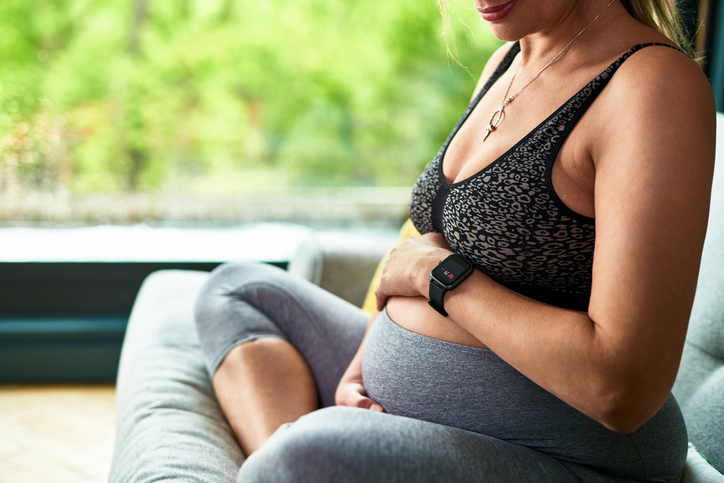

The new research was published in the Journal of the American Medical Association’s Nutrition Obesity and Exercise publication. It was the work of a large group of researchers associated with medical schools and hospitals across the US, including New York, California, Pennsylvania, Indiana, Illinois and North Carolina.
The study used data culled from a larger effort called the Nulliparous Pregnancy Outcomes Study: Monitoring Mothers-to-Be, which enrolled more than 10,000 subjects who were followed in the 2010-2013 timeframe. Almost 7,800 women completed the study, making up a cohort that was racially, ethnographically and geographically diverse. The cohort averaged about 27 years of age, with only 9.7% being older than 35.
The researchers noted that suboptimal diets are common among pregnant women in the US. Improving those diets is a primary target for reducing averse pregnancy outcomes (APOs), they said.
The researchers defined a Mediterranean diet as “characterized by high intake of plant-based foods, such as vegetables, legumes, fruits, nuts, and monounsaturated fats, coupled with a low intake of saturated fats and processed meats.” They noted that many studies have linked the diet pattern with health and longevity.
Few studies have looked at Med diet in relation to pregnancy
However, there is less information regarding its effect on pregnancy. While there is as wealth of information on the health effects of the dietary approach generally, the authors said there are only three studies that look at it specifically in connection to APOs.
The researchers defined an APO as “gestational hypertension, preeclampsia or eclampsia, gestational diabetes, preterm birth (medically indicated or spontaneous live birth at <37 weeks’ gestational age; assessed as both a composite and as spontaneous or iatrogenic preterm birth), delivery of a small-for-gestational-age infant (<5th percentile by Alexander nomogram), or stillbirth.”
Coming up with a diet scorecard
To assess the study cohort’s exposure to the Mediterranean diet, the researchers came up with a score. This was adapted from previous research dating back to as far as 2003. The score is based on the relative intakes of nine components: vegetables (excluding potatoes), fruits, nuts, whole grains, legumes, fish, monounsaturated to saturated fat ratio, red and processed meats, and alcohol. The scores ranged from 0 to 9, based on how closely the subject’s diet matched the ‘ideal,’ with nine being the best score.
The researchers found the average diet score of the 7,798 women was 4.3. For statistical purposes, the researchers divided the group up into three subgroups: low, medium and high scorers. The high scoring group tended to be older and skewed more heavily toward being non-Hispanic White, married, having higher incomes and being less likely to be obese, and none of them were smokers.
When associating the subgroups’ diet preferences with the prevalence of APOs the researchers found that the high scoring group was 21% less likely to suffer these complications either for themselves or their offspring.
Risk of some complications cut by more than half
When matching individual APOs with an analysis of the cohort by quintiles, the researchers found that those in the highest vs lowest quintile had 35% lower odds of any preeclampsia or eclampsia and 54% lower odds of gestational diabetes.
“A Mediterranean diet pattern is associated with lower risk of developing any APO and multiple individual APOs in US women, with evidence of a dose-response association. Our findings add to the growing body of evidence demonstrating that the Mediterranean diet pattern may play an important role in preserving the health of women across the lifespan, including during pregnancy. Long-term intervention studies are needed to assess whether promoting a Mediterranean-style diet pattern around the time of conception and throughout pregnancy can prevent APOs or reduce their downstream associations with future CVD risk. This may be particularly useful to study in pregnant persons at high risk for APOs,” the authors concluded.
Source: Nutrition, Obesity and Exercise
doi: 10.1001/jamanetworkopen.2022.48165
Association of a Mediterranean Diet Pattern With Adverse Pregnancy Outcomes Among US Women
Authors: Makarem N, et al.

Continue Reading
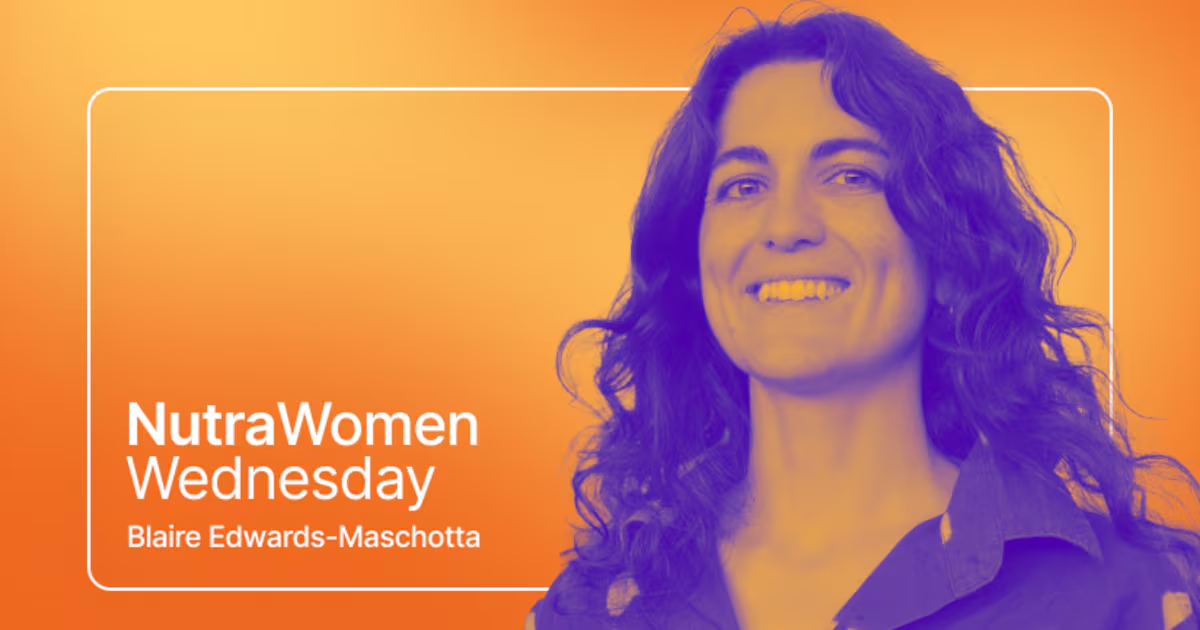

An herbalist, formulator and sourcing director at Herbs, Etc., Blaire’s path into the industry began with an interest in mental health. While completing a bachelor’s degree, they interned at a mindfulness-based psychology center, where an idea sparked their interest in plant medicine.
“If there’s herbs you can take that help during that time of your life, surely there’s herbs you can take for mental health,” they said. “That was just this light bulb that went off for me.”
After studying under renowned herbalist David Winston, Blaire moved into consumer packaged goods, before bringing their experience to product development and botanical sourcing.
With more than 11 years of sourcing experience, they believe the origin of an ingredient is one of the industry’s most important differentiators.
“Sourcing is the truest differentiator that we have left,” Blaire said, pointing to everything from growing conditions to harvesting practices and the people behind the supply chain.
That perspective also informs their commitment to sustainability. Through Herbs, Etc. and the Sustainable Herbs Initiative, Blaire advocates for practices that support both ecological health and the communities growing medicinal plants.
“Wouldn’t it be twisted if the things we’re taking to make us feel better are those conditions that are making the people who are growing them sick?” they asked.
Outside of work, Blaire finds inspiration in their own garden, where they are looking forward to growing more native plants and experimenting with medicinal herbs.
For aspiring women in the industry, Blaire’s advice is get involved, make your voice heard and remember that you belong in the room.


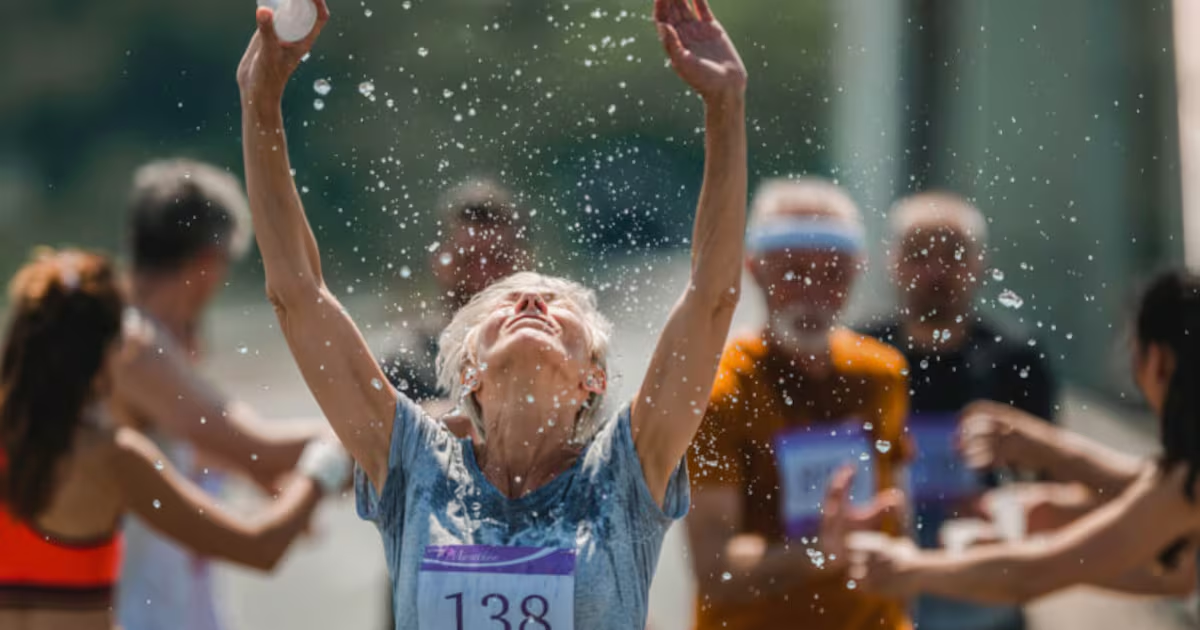
Exercising in extreme heat places additional demands on the body, making hydration, thermoregulation and performance key considerations for athletes.
A Red Rock Canyon just outside Las Vegas, NutraIngredients explored these challenges alongside the sports nutrition conversations taking place at SupplySide Global.
Electrolytes remain a foundation of hydration, according to performance dietitian for the U.S. Navy, Erik Bustillo, RD, who highlighted sodium and other minerals as important for supporting fluid balance and thermoregulation.
“Those are huge and extremely important for supporting hydration,” Bustillo said. He recommended athletes pay attention to electrolyte intake, including via supplements or adding salt to meals, particularly if they sweat heavily.
Emerging ingredients such as betaine and black currant may also warrant attention, he added although more research is needed.
Another ingredient drawing interest is glycerol, also known as glycerin. Formulator Shawn Wells, RD, said glycerol can increase intracellular hydration and may help athletes maintain performance during prolonged exercise in hot environments.
GNC’s Rachel Jones, RD, a former cross-country and track athlete, emphasized that hydration should be part of an all-day strategy, alongside adequate fueling.
She recommended fluids and electrolytes before and during exercise, including carbohydrates and electrolytes for workouts that last longer than 45 minutes. Recovery should also include protein, carbohydrates and electrolytes.
Jones also highlighted creatine, beetroot juice and tart cherry as ingredients of interest for athletes, especially for those who are focused on endurance and recovery.
While ingredient strategies continue to evolve, the fundamentals remain: stay hydrated, fuel appropriately and recognize the demands extreme heat places on the body.
Presenting this data at the recent Nutra Healthspan Summit in London, Ewa Hudson, director of insights at Lumina Intelligence, examined how longevity aspirations change across generations, what consumers want and need, and whether scientific innovation alone is enough to win their trust.
“Aging well means actually having the vitality to keep reinventing yourself,” she said. “The bigger question is whether the industry is really ready to rewrite its own rules, too.”
A generational shift
Exercise, sleep and diet topped the list of what consumers believe has the greatest impact on extending healthspan.
Belief in genetics varied sharply by age. Among those aged 65 and over, 39% said genetics plays a big role, rising to 50% in some countries, including Italy and Saudi Arabia. Moving down through each younger decade, that figure fell to 31%, 26%, 24% and 23%, and finally to 21%.
“If it’s all down to genetics, well, there’s little I can do about it,” Hudson said of the older mindset. “The younger you are, the less you blame your genes.”
Faith in supplements moves the other way. Some 20% of 25- to 34-year-olds believe supplements have a role to play, compared with 12% of those aged 65 and over.
According to the survey results, the age at which people begin thinking seriously about aging has also shifted. Most retirees said they started in their 60s. Among full-time workers, most began in their 30s.
“This is basically a generational shift,” Hudson said, adding that healthy aging is now “seen as a preventative opportunity” and that reaching this point has taken heavy investment in education and science.

Opens in new window
Ambitions are changing too. Some 52% of consumers want to age slowly and healthily, and 18% want to stay as they are. One in four is actively pursuing anti-aging, whether preventing premature aging or reversing it.
“Maybe we cannot change the chronological age, but biological age, we know we can do more about,” Hudson said.
As examples of how conventional perception of age and aging is being challenged, she highlighted a U.S. census study of 2.7 million company founders, which found that those behind the fastest-growing 0.1 percent of new ventures were, on average 45 years old; British Business Bank data showing a rise in over-50s taking out startup loans; and increasing participation in running among the over-70s.
Priorities shift by life stage and country
Across all age brackets, energy, stamina and physical strength ranked as the top health concern.
Women also put mobility, joint and bone health first. Weight management and chronic disease followed.
“Products and technologies definitely need to give consumers energy and physical strength, mobility, joint health, weight management, cognitive, and everyday activity support and recovery,” Hudson said.
In the UK, women between the ages of 35 and 44 rated sleep far higher than any other age group, but it matters far less decade on, when weight management, exercise, gut health and muscle strength take priority. In Italy, preventative medical testing has become much more important for women.
Men in their 30s prioritize sleep, stress and exercise. Moving into the next decade, though, they start to “really over index” on healthy eating, and interest in supplements grows as they start to consider what decline the next 10 years might bring. Previous Lumina research showed that nearly half of men surveyed were familiar with the term “healthspan”, but more so if they had families and skewed towards higher-income groups—suggesting a market sweet spot.

Opens in new window
“We really need to align to the consumer in a particular country to understand what they need at a particular age bracket, because many of the healthy aging products will really fit with specific stages in life more than at others,” Hudson noted.
Globally, the rise of GLP-1 treatments is also reshaping behavior. Among people who have started treatment, the top changes were more interest in healthy foods, longevity and preventative health. They also reported less alcohol intake, less eating and drinking out, and reduced snacking.
Trust is the gap, from product to platform
Lumina reported that about one in three consumers, roughly 36%, already takes supplements to counteract natural aging. Asked about their biggest hesitation over longevity supplements, however, their first answer was “not enough proof”.
“Applied and communicated science will be definitely the number one trust creator,” Hudson said. “It’s not just consumers and some of the manufacturers are reinventing themselves. We also see key brands being reinvented. From selling supplements, they’re moving to managing biological aging.”

Opens in new window
Some companies are repositioning accordingly, taking steps to own the measurement, monitoring, personalization side of healthy aging and categories beyond nutritional supplements.
Hudson noted that Niagen Bioscience, supported by a foundation of more than 500 scientific studies related to its NAD+ precursor and an intellectual property portfolio exceeding 100 patents, is expanding into pharmaceutical-grade IV and injectable products, skincare and cosmetics, and pharmaceutical drug development, a shift she described as going “from product to purpose and a platform”.
Legacy brand Life Extension also entered the biological age market, offering at-home blood tests that encourage customers track changes over time to evaluate the effects of supplementation. Longevity biotechnology and wellness brand Novos is transitioning into a “health intelligence company,” expanding from supplements into biological-age measurement, personalized recommendations and ongoing health monitoring.
“The healthspan leaders of the next decade may not be the pure product companies themselves but actually those platforms that measure, manage and optimize aging,” Hudson said. “So, applied and communicated science will definitely be the number one trust creator.”
Lumina Intelligence Global Healthspan & Longevity Report 2026
For more deeper insights, The Lumina Intelligence Global Healthspan & Longevity Report 2026 explores how consumers around the world are approaching healthy aging, preventative health, metabolic wellness, GLP-1 medications, supplements and the pursuit of a longer, healthier life.
Drawing on exclusive research among 10,500 consumers across nine global markets, the report examines how attitudes towards healthspan are evolving, what concerns people have about aging, which habits they are adopting to support long-term health and where opportunities exist for brands operating in nutrition, wellness and healthcare.
Combining proprietary consumer research with expert analysis of health, nutrition and wellness trends, the report provides a comprehensive assessment of how consumers are balancing immediate health goals with longer-term ambitions around longevity, quality of life and disease prevention.
Positioned as both a benchmark of current consumer attitudes and a guide to future market opportunities, the report equips manufacturers, retailers, healthcare organisations, investors and solution providers with actionable insights into one of the fastest-growing areas of consumer health.
-
 HEALTH & WELLNESS8 years ago
Acidophilus: A Probiotic Bacterium
-

 herbs3 years ago
The Ultimate Guide to Ashwagandha Extract: Stress Relief and Optimal Health Unveiled
-
 HEALTH & WELLNESS7 years ago
Herbs and Essential Oils to Fight Coronavirus
-
 TRAINING & FITNESS8 years ago
6 Ways to Decrease your Shoulder Pain!
-
 Fitness8 years ago
“No Pain, No Gain” True or Just a Fitness Myth
-
 HEALTH & WELLNESS8 years ago
Why Muscles Get Sore
-
 DIET & NUTRITION8 years ago
Low Carb Diet: Carbohydrates Influence on Testosterone
-
 TRAINING & FITNESS7 years ago
Training to Failure Every Set… Pathway to New Muscle or Pathway to Overtraining?