
Get Fit. Live Better. Stay Inspired.

Subscribe to Fit In Style Magazine and get the latest fitness tips, health and wellness insights. 25% Coupons for 10 Subscribers Daily!

Skip to content
Fit in Style Magazine
  • Health & Wellness

    Health & Wellness

    All Health & Wellness stories

    Latest

    • Performance Supplementation
    • Spot reduction doesn’t work
    • 8 Tips to Making a Better Healthy Smoothie
    • Turmeric vs Curcumin
    • Benefits of Herbal Aloe Vera
    Health & Wellness

    rewrite this title Top 7 supplements for skin health in India (2026)

    Health & Wellness

    Magtein® supports cognitive processes and overall mental well-being

    Health & Wellness

    5 Skincare Regimens Perfect for Spring and Summer

  • Diet & Nutrition

    Diet & Nutrition

    All Diet & Nutrition stories

    Latest

    • Losing Body Fat to Increase Testosterone, Here is your Guide
    • Eating White Rice Makes Bodybuilders Fat
    • Fad Diets That Make You Lose Weight In Days
    • Intermittent Fasting – Increase Fat Loss and Lean Muscle Mass
    • The Truth About Fad Diets
    Diet & Nutrition

    Performance Supplementation

    Diet & Nutrition

    Holistic Remedies for Higher Health

    Diet & Nutrition

    3 foods That Boost Your Immunity

  • Training & Fitness

    Training & Fitness

    All Training & Fitness stories

    Latest

    • Calf Cramps – 5 Ways to Avoid the Pain
    • Maximize the growth of the triceps without damaging your joints
    • Squat : 3 Tips to Help You Master the Squat
    • Why Women Over the Age of 50 Should Train
    • Beach Workout – To Go Routine
    Training & Fitness

    Working The Transverse Ab Muscles

    Training & Fitness

    Training to Failure Every Set… Pathway to New Muscle or Pathway to Overtraining?

    Training & Fitness

    When Training to Failure Can Hurt You

  • Supplements

    Supplements

    All Supplements stories

    Latest

    • Amai Proteins CEO: Sweet proteins are having a moment right now
    • Japan focus: Mist supplement, NMN, andropause, healthy longevity and more
    • ADPI: Healthy aging a missed opportunity for whey protein
    • NutraCast: Akkermansia research points to postbiotic potential for metabolic health, weight maintenance
    • Review calls for more studies on cinnamon and cognitive function
    Supplements

    Exploring Sports nutrition ingredients that help athletes handle extreme heat

    Supplements

    Too young to age: Consumers are rewriting the rules of longevity

    Supplements

    Probi’s probiotic strain expands footprint in application format and market

  • Shop
    • My Account
  • Cart
  • Contact Us

Uncategorized

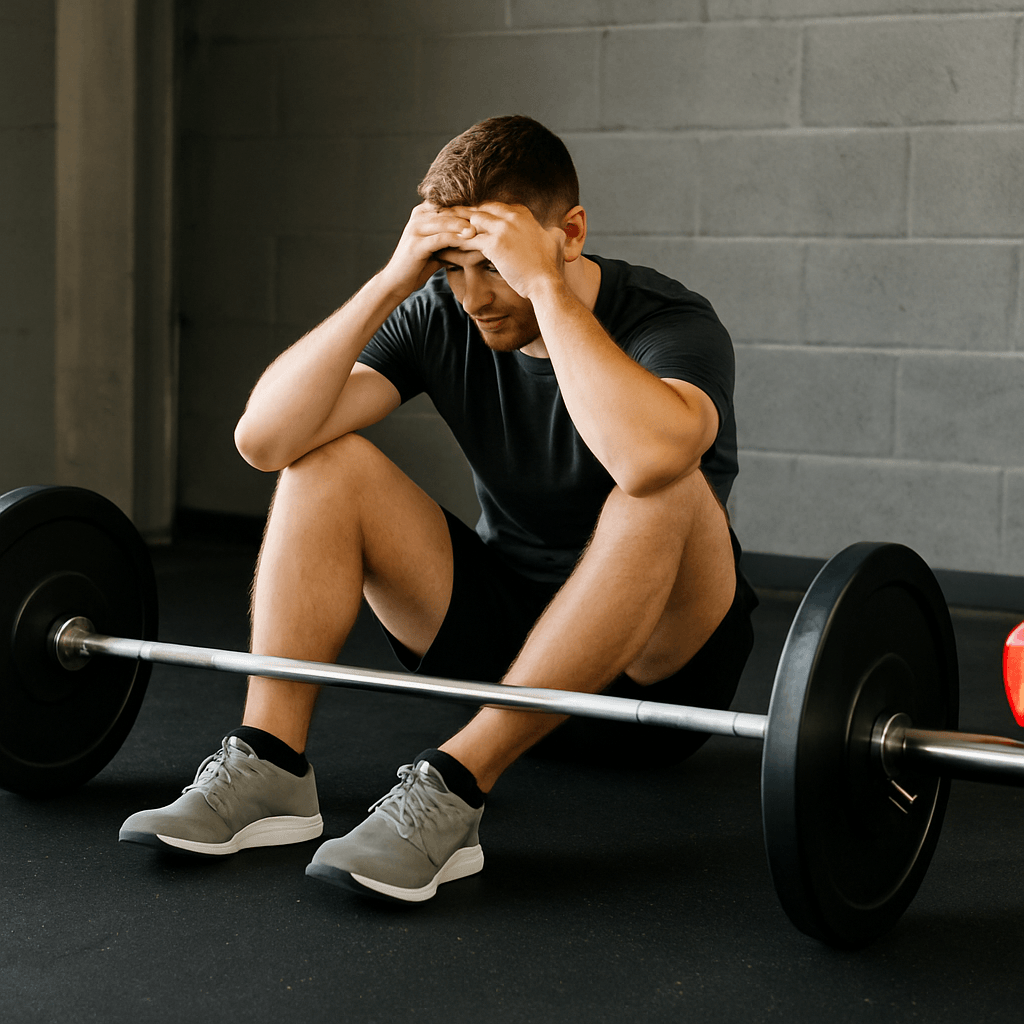
8 Signs Your Body Says You’re Not Eating Enough

Published

2 hours ago

on

November 25, 2026

By

fitinstyle
8 Signs Your Body Says You're Not Eating Enough
  • Share
  • Tweet

8 Signs Your Body Says You’re Not Eating Enough

Learn to recognize the signs and symptoms your body uses to communicate to you that you aren’t eating enough. 

Stress, busy schedules, illnesses, grief, and the hustle and bustle of everyday life can take a toll on us. More specifically, our appetites and the way our bodies regulate hunger. This can often lead to us not eating enough. Additionally, many people in the pursuit of weight loss often end up unintentionally undereating or restricting to achieve that goal.

Whatever the cause, not eating enough food and depriving your body of important nutrients can manifest in ways that wreak havoc on your metabolism and hormones. Both of which may take longer to notice if you’ve been consistently undereating.

8 Symptoms You May Experience if You’re Not Eating Enough

Let’s dive in and take a look at the not-so-subtle signs that your body may not be getting enough vital protein, carbohydrates, and fat, and what you can do to increase your food intake with a balanced diet.

1. Low Energy

If you’ve been feeling straight-up exhausted for several weeks, regardless of how much you snooze or the quality of your sleep, it might be time to re-evaluate your diet. When we’re perpetually undereating, the body isn’t able to fuel itself properly. That may cause you to feel lethargic and sluggish. 

We often see this in the case of low-carbohydrate diets specifically. Seeing as though starchy carbohydrates are the body’s primary source of fast energy, it makes sense that restricting them can lead to less-than-ideal energy levels. 

Take a look at your usual intake regarding both volumes as well as variety. Are you consuming balanced meals that incorporate all of the Foundational Five components? Including starchy carbohydrates? Are you eating when you’re hungry and listening to your body’s cues? Take a moment to reflect here and see if you can make some adjustments. 

2. Dizziness

Dizziness can be one of the first physical signs of not eating enough. When you’re not eating enough food, your blood sugar levels can plummet and make you feel dizzy or faint. If you’re continually feeling lightheaded and can’t quite figure out why, take a look at your food intake. 

For a quick snack boost, eat something with carbohydrates and protein, like a banana with some almond butter, a handful of berries and nuts, or veggie sticks with some hummus. This combination of carbohydrates and protein will help increase and stabilize your blood sugar levels to help boost your energy.

However, if the dizziness persists after making these changes to your nutrition and your lifestyle, chat with your doctor to rule out possible issues.

3. Poor Cognition and Productivity (i.e., Brain Fog)

Ever have moments of forgetfulness where you say things like, “Where did I put my keys?”? That happens to us all, but frequent brain fog could be your body’s way of telling you to check in with how you’re nourishing yourself (i.e., eat more food)! Brain fog can be a sign of several health challenges, but it’s also one of the key symptoms of not eating enough throughout the day.

Postponing lunches or interrupting your normal meal times to attend meetings or take calls delays the energy your body needs to keep going. So if that 3 p.m. lull hits hard and you realize you haven’t had lunch, that’s your cue to head to the kitchen or grab a snack.

It’s best to fill up on whole foods as best as you can. Go for a hearty salad with plenty of fresh veggies, maybe some sweet potatoes, avocado, grilled chicken, or protein of your choice, and a tasty dressing. Foods rich in B-vitamins, omega-3 fatty acids, folate, and antioxidants can help boost brain function and prevent cognitive decline (1). Bye-bye brain fog.

4. Hair Loss and Brittle Nails

This may come as a surprise to you, but if you’re not eating enough food or getting enough nutrients, the highest priority organs will take the lead in getting those nutrients. This includes your brain, heart, and lungs, rather than your hair, skin, and nails. Hair, skin, and nail health are closely tied to what you eat, along with how many vitamins and minerals your body is absorbing.

It’s normal to lose between 50 and 100 strands of hair every day. If you’re losing more locks than usual and your nails seem to break more easily, you may want to focus on nourishing your hair and nails from the inside out.

Start by eating foods that help produce more keratin, the protein that strengthens your hair and nails. Spinach, beans, oatmeal, salmon, eggs, and berries are all excellent sources of hair- and nail-loving nutrients. Protein, biotin, iron, vitamin B12, and omega-3 fatty acids, in particular, are the best nutrients for helping you maintain the thickness, luster, and growth of your crop.

5. Irritable Mood

Hanger is a real emotion! If you’re battling a busy day and rush out the door without breakfast, your blood sugar and your mood can take a real dip. Studies show that low glucose levels can actually cause aggression and violent behavior (2). So when you haven’t had anything to eat, irritability may be one of the first noticeable side effects of not eating enough food. 

The best way to prevent “hanger” is to eat regular meals and nourishing snacks. Enjoying consistent meal times will help keep your blood sugar stable, so you can stay on track with your positive mood and good energy. When you feel that first sign of hunger coming, don’t push it off! Listen to it and grab either a meal or a snack, depending on the degree of hunger you’re experiencing to keep you feeling like your best self versus the moody, irritable version.

6. Feeling Chilly

Got the chills, all the time? You need to consume a substantial amount of food to keep your body warm while performing other bodily functions.

If you’re not eating enough, you’re probably not able to efficiently carry out thermogenesis, which is a process that helps your body generate heat. Some research suggests that people who follow a restrictive diet have lower body temperatures than those who don’t (3).

Women who are also underweight or have low body fat might develop “downy” hair (also known as lanugo), as a way for their bodies to cope with heat loss. When your body doesn’t have enough body fat to heat itself up, it can grow lanugo to help trap heat. It’s common in people with anorexia nervosa or people who are extremely thin.

7. Constant Thirst

Making sure you eat enough is actually one way you can manage your hydration levels. Many of the electrolytes you get from food affect thirst. These include sodium, potassium, and magnesium. If you still feel thirsty after chugging down a glass of water, it’s a red flag that you may not be consuming enough calories.

Sometimes, your body can also mistake thirst for hunger and misguide you away from the water bottle. Just remember to aim for hydrating beverages such as caffeine-free teas, carbonated unsweetened seltzers, and good ‘ole water. 

8. Amenorrhea

Amenorrhea is the scientific term for missing your period. Women may miss their periods for a variety of reasons, including pregnancy, changes in diet, and stress. Sometimes, certain medications you take, including contraception, can affect your cycle, too. Specific health conditions like hypothyroidism and polycystic ovarian syndrome can also affect your hormone levels and, therefore, your period as well.

Amenorrhea can also happen if you don’t eat enough and have low body fat or are underweight (about 10 percent under “normal” weight), which is different for each of us. Being underweight can stop ovulation and cause abnormal changes in your hormones, which is why some women with disordered eating habits or women who are high-performing athletes may often miss their periods. In some cases, their bodies also aren’t getting enough nutrients to carry out normal bodily functions.

The female athlete triad is basically an interrelated cycle that includes low energy intake, amenorrhea, and low bone density. This is most often seen in athletes who are trying to maintain a certain level of “leanness” for a particular sport like figure skating, ballet, gymnastics, or others. 

The Takeaway

The biggest takeaway from this article is to be aware and in tune with yourself and your body’s ability to show you signs that something may not feel right. Use these 8 signs and symptoms to check in with yourself and determine whether or not you may need to consume a bit more energy. 

Find Freedom & Balanced Nourishment.

Embrace a Balanced & Peaceful Relationship with Food.

If you’re looking to develop a healthier relationship with food and transform your eating habits, consider joining our online group coaching program, the Mindful Nutrition Method. Our program is designed to help you cultivate a mindful approach to eating and develop a healthier relationship with food and your body.

Get the 3-part system that will help you discover your balance, enjoy food fully, and nourish your relationship with food to feel confident, balanced, and at peace. You’ll learn the skills and strategies you need to make lasting changes to your health and well-being. Don’t wait to start your journey towards a healthier, happier you.

Join the Mindful Nutrition Method today and discover the transformative power of mindful eating.

Join Now

originally published 8/11/23

Related Topics:ENERGYnutritionUndereating
Don't Miss

Quest Pear Chocolate Milkshake Recipe

Continue Reading

You may like

  • Eating White Rice Makes Bodybuilders Fat

Click to comment

Leave a Reply

Cancel reply

Your email address will not be published. Required fields are marked *

Uncategorized

Quest Pear Chocolate Milkshake Recipe

Published

8 hours ago

on

November 24, 2026

By

fitinstyle
Quest Pear Chocolate Milkshake Recipe

Quest Pear Chocolate Milkshake Recipe

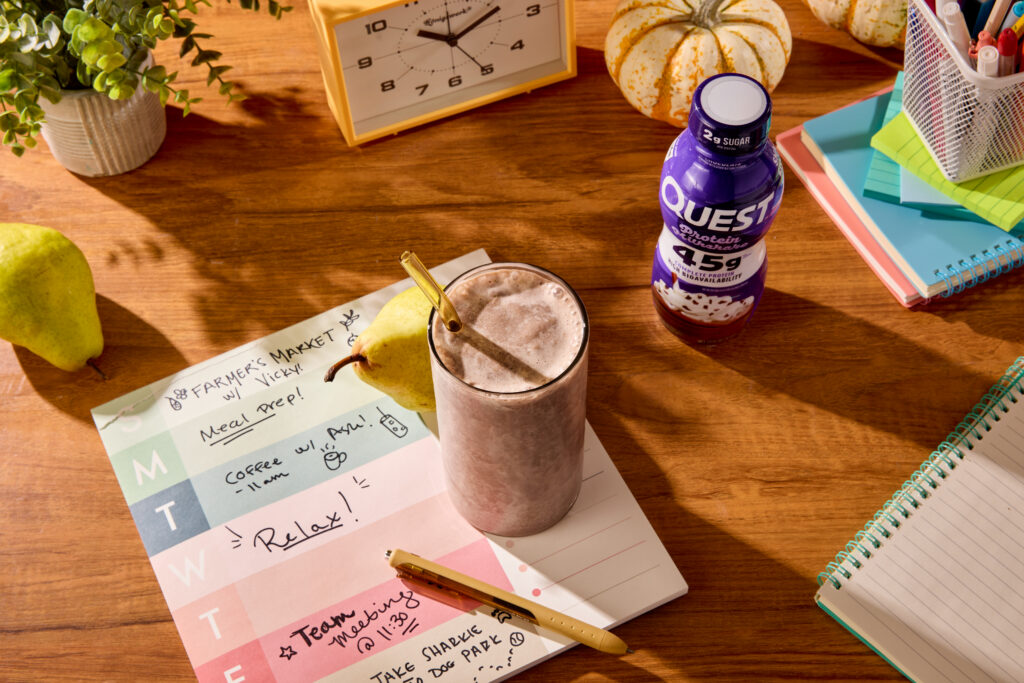
Summer you had one job: relax. Nailed it. But fall you? Fall you has a calendar. And an extra helping of ambition. Fuel accordingly with a Questified Chocolate Milkshake Pear Smoothie. Frozen pear, tangy Greek yogurt, and Quest Chocolate Protein Milkshake team up for high quality protein and serious fall flavor. Go ahead, fall you. Show summer you what you’ve got.

Check out the full recipe below:

Fall Pear Chocolate Milkshake Smoothie

NUTRITIONAL INFO

CHOCOLATE MILKSHAKE PEAR SMOOTHIE

Yields: 2 servings |  Serving Size: 1 glass

Calories: 120  | Protein: 15g | Fat: 1g | Net Carb: 12g

Total Carb: 15g | Sugar: 9g

Ingredients

VANILLA SPICE MUG CAKE

Method

  1. Place all the ingredients into a blender and blend until smooth. Transfer to two serving glasses and enjoy.

Continue Reading

Uncategorized

Could Fasting Help Cancer Patients?

Published

14 hours ago

on

November 24, 2026

By

fitinstyle
Could Fasting Help Cancer Patients?

Could Fasting Help Cancer Patients?

What effect does supplemental feeding have on clinical outcomes?

In 1974, an influential paper was published decrying “physician-induced malnutrition” as “the skeleton in the hospital closet.” Many patients in hospitals were malnourished, which the editorial board of the Journal of the American Medical Association described as “shocking.” Even a single case is one too many, yet to this day the issue persists. If anything, people with serious illness would seem to need even more nutrition, not less, yet underfeeding remains common, involving as many as 50% of hospitalized patients. “The ethical principle of justice” requires that all patients be fed enough, given that hospital malnutrition has been associated with increased risk of disease and death. But is it cause and effect? Does eating less make you sicker, or does being sicker just make you eat less? You don’t know until you put it to the test. But would it be ethical to randomize patients to remain starved? Wouldn’t nutritional support obviously help? It turns out, no. Not one but 22 randomized controlled trials involving thousands of malnourished patients found that, sure, you can plump them up; however, there seems to be little effect on clinical outcomes. In fact, sometimes it can actually make things worse. Maybe the body is losing its appetite on purpose.

Ever since Hippocrates, fasting has been used to help treat acute and chronic diseases, based on the observation that when people get sick, they frequently lose their appetite. So, maybe that’s part of our body’s wisdom and we shouldn’t force it. But that was 2,400 years ago. What have we learned since?

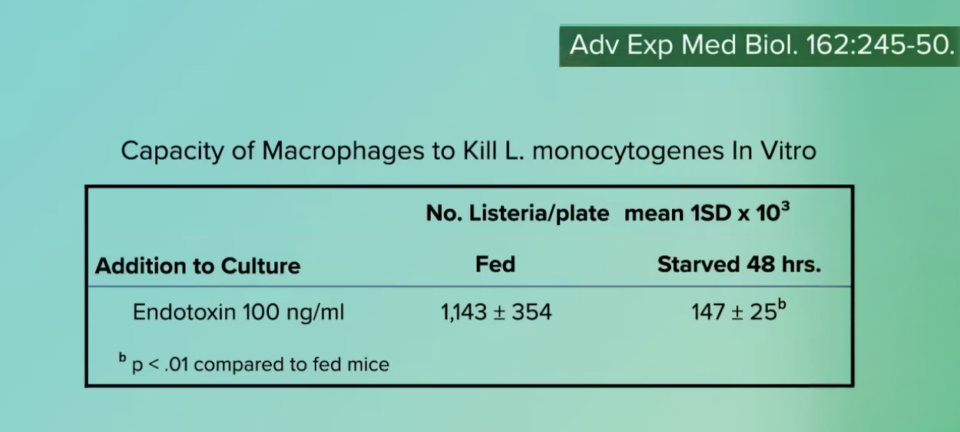
Along with fever, decreased food consumption is indeed one of the most common signs of infection, “often regarded as an undesirable manifestation of sickness,” but it’s actually an active, beneficial defense mechanism. Obviously, chronic undernutrition can impair our defenses, but data suggest that in the short-term, immune function can be enhanced by lowering food intake. Some of the data are wild: In one study, after 48 hours of starvation, about 95% of mice survived an infection if they remained starved, while about 95% died if they were refed, as you can see below and at 2:27 in my video Fasting for Cancer: What About Cachexia?.

But that was in mice. Obviously, we can’t randomize people to a fatal infection, but the study showed that the blood from starved mice was nearly eight times better at killing off the invading bacteria in a petri dish, as you can see below and at 2:41 in my video.

It dramatically boosted the capacity of their white blood cells to kill off the pathogens. Why can’t we just test people like that?

Indeed, we can. Researchers fasted people for two weeks on an 80-calorie-a-day diet, and their white blood cells showed the same kind of boost in bacteria-killing activity, a boost in antibody production, and a 24% average increase in natural killer cell activity. That’s especially interesting because our natural killer cells don’t just help clear infections; they also kill cancer cells. In fact, that’s how they measured natural killer cell activity—by pitting them against K562 cells, which are tumor cells (human leukemia cells). So, two weeks of fasting boosted their bloodstream’s ability to kill off cancer cells by 24%.

So, fasting is said to improve anticancer immunosurveillance—poetically described as “stimulating the appetite of the immune system for cancer.” So, why isn’t fasting used more to treat cancer? Until recently, fasting therapy has not been considered a treatment option, in part because a common therapeutic goal in palliative cancer care is to prevent weight loss and counteract the wasting syndrome known as cachexia, which is the ultimate cause of death in many cancer cases.

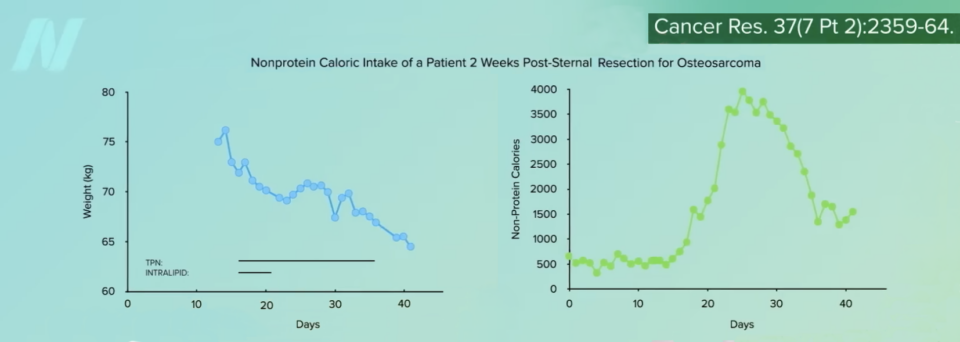
Tumors are voracious. They expand rapidly, needing lots of energy and protein, so cancer metabolically reprograms the body to start breaking down to feed them. It does this by triggering inflammation throughout the body. It’s not just that people lose their appetite. The key difference between weight loss from cancer cachexia and simple starvation is that cachexia cannot be reversed by feeding alone. Consider the case of a cancer patient whose weight started to drop. It’s no wonder—they were only taking in a few hundred calories a day. So, in addition to giving them about 100 grams of protein a day, researchers stuck a tube into a vein and infused up to 4,000 calories a day. But it didn’t matter. They continued to lose weight, as you can see at 4:56 in my video.

Attempts to correct or reverse cachexia through therapeutic nutritional interventions have had little success. The best treatment for cancer cachexia, therefore, is to treat the cause and cure the cancer. In fact, forcing extra nutrition on cancer patients could be playing right into the tumor’s hands. Like in pregnancy, when the fetus gets first dibs on nutrients even at the mother’s expense, the tumor may be first in the feeding line. Maybe the loss of appetite that occurs with cancer is actually a protective response. But in the 1960s, TPN—total parenteral nutrition—was born. People no longer had to eat; all the nutrition they needed could be infused straight into their veins, ushering in the modern era of nutrition support.

TPN became widely accepted and implemented, growing into a multibillion-dollar industry. Should it be routinely given to malnourished cancer patients? The answer’s not as obvious as one might think. When it was put to the test in dozens of randomized trials, “the results were both disappointing and surprising. Parenteral nutrition did not just fail to provide any benefit to these patients; it caused harm.” Not only did it appear to provide zero survival benefit, but there was also an increase in complications and infections, and a decrease in tumor response to chemotherapy, presumed to be due to all those extra nutrients stimulating tumor growth.

Similarly, trials of oral nutritional interventions, such as giving bottles of Ensure to malnourished patients with cancer, found no survival advantage. Despite the lack of demonstrated benefit, many oncologists’ knee-jerk reaction to the idea of cancer patients fasting is to worry that they’re not eating enough already. But you don’t know until you put it to the test, which we’ll explore in the next blog.

Doctor’s Note

This is part of an ongoing series about cancer and fasting. I previously laid the groundwork in these two blogs: Chemotherapy is Expensive—Is It Effective? and How Much Do New Chemotherapy Drugs Extend Life?.

Stay tuned for three more blogs on fasting and cancer: 

What is the fasting-mimicking diet? I’ve got a video on that: The 5-2 Diet and the Fasting-Mimicking Diet Put to the Test.

All of my videos on fasting can be found on this topic page or in the recordings of my fasting webinar series.

Continue Reading

Uncategorized

Feeling Stuck in Your Fitness Journey? Here’s the Fix

Published

20 hours ago

on

November 24, 2026

By

fitinstyle
Feeling Stuck in Your Fitness Journey? Here's the Fix

Feeling Stuck in Your Fitness Journey? Here’s the Fix

The first time I counted my macros, I think I lasted six hours.

I was 18 years old and bitten by the nutrition bug. I didn’t just want to go deep on being healthier — I wanted to be perfect.

Back then, there weren’t apps. Just online tools that now feel laughable by today’s standards. But I used those tools, studied every label, and weighed out my oats like a scientist trying to cure a disease.

By lunch, I was stressed. By dinner, I was doubting whether the banana I added to my protein shake needed to be logged in grams or slices. By 9 p.m., I was elbow-deep in wondering what time I had to wake up to drink protein and prevent catabolism.

This might sound like satire, but it was my life. And I was convinced this was the necessary path to better health, more muscle, and less fat.

Precision. Perfection. Pressure.

But the harder I tried to get it all “right,” the more I lost sight of the point.

I wasn’t trying to become a food tracker or a bodybuilder where the margin of error is so slight that indistinguishable changes determine winners and losers.

I was trying to become healthier. Ok, maybe I was trying to look good naked too. But I had no delusions about my goals. I was delusional about how many details I had to master to achieve them.

Why You Feel Stuck in Your Fitness Journey

If you’ve ever felt stuck in your fitness journey — like you’re trying hard but not making progress — you’re not alone.

Most people I meet who want to improve their health don’t fail because they’re lazy or undisciplined. They fail because they’re overwhelmed.

I won’t completely slam biohacking. If it helps you, great. I’m a bottom-line guy: if something helps you, even if I don’t believe in it, it did its job.

But biohacking specializes in fear, anxiety, and overthinking. It makes you stress every decision and uses complication to feign effectiveness.

They’re majoring in the minor.

Even people who don’t identify as biohackers fall into the trap of over-optimizing:

  • Should I do fasted cardio or eat first?
  • Is creatine OK if I’m not trying to bulk?
  • Do I need eight hours of sleep, or can I get by on seven?
  • Is oat milk inflammatory?
  • How many reps are optimal for hypertrophy?

These questions do matter. But they don’t matter yet.

When you’re feeling stuck in your fitness journey, it’s often because you’re chasing the perfect plan instead of building the habit of showing up.

We overthink because we care. We want to do things the right way, the best way, the most efficient way. But overthinking is a clever form of resistance. It feels like work. It feels like progress. But it’s usually procrastination in disguise.

When you’re carrying the weight of trying to optimize everything, you stop moving. You doubt your decisions. You hesitate. And in the hesitation, you lose momentum.

It’s like standing at the edge of a pool debating the best angle to dive in — while everyone else is already doing laps.

Simplify First. Optimize Later.

So, what should you focus on?

Ask yourself: What’s the big thing I’m actually trying to do?

If your goal is to get stronger, then the most important thing is to show up and train at least 2 to 3 times per week and add a little more weight each workout. It’s not about choosing between 4 sets of 8 or 5 sets of 5. It’s about progression. If you’re not lifting more, then something is wrong. Strength is easy to measure. You either see it or you don’t.

If your goal is fat loss, then consistency with meals, portion control, and managing hunger will move the needle more than wondering whether your post-workout snack should be whey or casein. Many diets work. But if your body isn’t changing — if your clothes aren’t fitting differently, or the scale isn’t moving — it’s time to simplify.

If your goal is better health, then drinking more water, walking daily, managing stress, connecting with friends, and getting decent sleep will serve you better than chasing the best probiotic strain or taking out a loan for a full-body scan.

Don’t confuse detail with depth.

Trade Perfection for Progress

Instead of chasing perfection, ask what’s getting in the way of consistency.

  • Is it decision fatigue at night that leads to overeating?
  • A workout that’s too complex, so you skip it altogether?
  • A nutrition plan that requires spreadsheets and measuring cups?

Simplify. Shrink the task. Choose the next obvious step, and do that.

Because no amount of health knowledge matters if it doesn’t lead to consistent action.

Your health doesn’t require precision. It requires permission — permission to not have all the answers before you begin.

So stop trying to get it all right.

You don’t need to earn your progress through struggle. You earn it by showing up again tomorrow.

Let that be enough.

Final Thought: What to Do When You’re Stuck

If you’re feeling stuck in your fitness journey, ask yourself: What’s one thing I can do today that’s easier than what I’ve been trying?

Start there.

Then keep going. Keep checking in on your progress. Ask how it feels. Ask whether it’s sustainable and repeatable.

If you’re seeing changes — in how you feel, how you look, or how you show up — then you’re on the right track.

And there’s no need to overthink it.

Adam Bornstein is a New York Times bestselling author and the author of You Can’t Screw This Up. He is the founder of Born Fitness, and the co-founder of Arnold’s Pump Club (with Arnold Schwarzenegger) and Pen Name Consulting. An award-winning writer and editor, Bornstein was previously the Chief Nutrition Officer for Ladder, the Fitness and Nutrition editor for Men’s Health, Editorial Director at LIVESTRONG.com, and a columnist for SHAPE, Men’s Fitness, and Muscle & Fitness. He’s also a nutrition and fitness advisor for LeBron James, Cindy Crawford, Lindsey Vonn, and Arnold Schwarzenegger. According to The Huffington Post, Bornstein is “one of the most inspiring sources in all of health and fitness.” His work has been featured in dozens of publications, including The New York Times, Fast Company, ESPN, and GQ, and he’s appeared on Good Morning America, The Today Show, and E! News.

Continue Reading
Advertisement

Recent Posts

  • Exploring Sports nutrition ingredients that help athletes handle extreme heat
  • 8 Signs Your Body Says You’re Not Eating Enough
  • Quest Pear Chocolate Milkshake Recipe
  • Too young to age: Consumers are rewriting the rules of longevity
  • Could Fasting Help Cancer Patients?

Advertisement

Sponsored Ads

TRENDING

  • HEALTH & WELLNESS8 years ago

    Acidophilus: A Probiotic Bacterium

  • herbs3 years ago

    The Ultimate Guide to Ashwagandha Extract: Stress Relief and Optimal Health Unveiled

  • HEALTH & WELLNESS7 years ago

    Herbs and Essential Oils to Fight Coronavirus

  • TRAINING & FITNESS8 years ago

    6 Ways to Decrease your Shoulder Pain!

  • Man after workout Man after workout
    Fitness8 years ago

    “No Pain, No Gain” True or Just a Fitness Myth

  • sore sore
    HEALTH & WELLNESS8 years ago

    Why Muscles Get Sore

  • The Best Homemade Tomato Sauce The Best Homemade Tomato Sauce
    DIET & NUTRITION8 years ago

    Low Carb Diet: Carbohydrates Influence on Testosterone

  • training to failure training to failure
    TRAINING & FITNESS7 years ago

    Training to Failure Every Set… Pathway to New Muscle or Pathway to Overtraining?

Fit in Style Magazine
  • Contact
  • About Us
  • Home

© 2026 FITINSTYLE. All rights reserved. Developed by Enovate LLC. Designed by Enovate Solutions.