

Supplements
Exploring Sports nutrition ingredients that help athletes handle extreme heat



Exercising in extreme heat places additional demands on the body, making hydration, thermoregulation and performance key considerations for athletes.
A Red Rock Canyon just outside Las Vegas, NutraIngredients explored these challenges alongside the sports nutrition conversations taking place at SupplySide Global.
Electrolytes remain a foundation of hydration, according to performance dietitian for the U.S. Navy, Erik Bustillo, RD, who highlighted sodium and other minerals as important for supporting fluid balance and thermoregulation.
“Those are huge and extremely important for supporting hydration,” Bustillo said. He recommended athletes pay attention to electrolyte intake, including via supplements or adding salt to meals, particularly if they sweat heavily.
Emerging ingredients such as betaine and black currant may also warrant attention, he added although more research is needed.
Another ingredient drawing interest is glycerol, also known as glycerin. Formulator Shawn Wells, RD, said glycerol can increase intracellular hydration and may help athletes maintain performance during prolonged exercise in hot environments.
GNC’s Rachel Jones, RD, a former cross-country and track athlete, emphasized that hydration should be part of an all-day strategy, alongside adequate fueling.
She recommended fluids and electrolytes before and during exercise, including carbohydrates and electrolytes for workouts that last longer than 45 minutes. Recovery should also include protein, carbohydrates and electrolytes.
Jones also highlighted creatine, beetroot juice and tart cherry as ingredients of interest for athletes, especially for those who are focused on endurance and recovery.
While ingredient strategies continue to evolve, the fundamentals remain: stay hydrated, fuel appropriately and recognize the demands extreme heat places on the body.

Continue Reading

Presenting this data at the recent Nutra Healthspan Summit in London, Ewa Hudson, director of insights at Lumina Intelligence, examined how longevity aspirations change across generations, what consumers want and need, and whether scientific innovation alone is enough to win their trust.
“Aging well means actually having the vitality to keep reinventing yourself,” she said. “The bigger question is whether the industry is really ready to rewrite its own rules, too.”
A generational shift
Exercise, sleep and diet topped the list of what consumers believe has the greatest impact on extending healthspan.
Belief in genetics varied sharply by age. Among those aged 65 and over, 39% said genetics plays a big role, rising to 50% in some countries, including Italy and Saudi Arabia. Moving down through each younger decade, that figure fell to 31%, 26%, 24% and 23%, and finally to 21%.
“If it’s all down to genetics, well, there’s little I can do about it,” Hudson said of the older mindset. “The younger you are, the less you blame your genes.”
Faith in supplements moves the other way. Some 20% of 25- to 34-year-olds believe supplements have a role to play, compared with 12% of those aged 65 and over.
According to the survey results, the age at which people begin thinking seriously about aging has also shifted. Most retirees said they started in their 60s. Among full-time workers, most began in their 30s.
“This is basically a generational shift,” Hudson said, adding that healthy aging is now “seen as a preventative opportunity” and that reaching this point has taken heavy investment in education and science.

Opens in new window
Ambitions are changing too. Some 52% of consumers want to age slowly and healthily, and 18% want to stay as they are. One in four is actively pursuing anti-aging, whether preventing premature aging or reversing it.
“Maybe we cannot change the chronological age, but biological age, we know we can do more about,” Hudson said.
As examples of how conventional perception of age and aging is being challenged, she highlighted a U.S. census study of 2.7 million company founders, which found that those behind the fastest-growing 0.1 percent of new ventures were, on average 45 years old; British Business Bank data showing a rise in over-50s taking out startup loans; and increasing participation in running among the over-70s.
Priorities shift by life stage and country
Across all age brackets, energy, stamina and physical strength ranked as the top health concern.
Women also put mobility, joint and bone health first. Weight management and chronic disease followed.
“Products and technologies definitely need to give consumers energy and physical strength, mobility, joint health, weight management, cognitive, and everyday activity support and recovery,” Hudson said.
In the UK, women between the ages of 35 and 44 rated sleep far higher than any other age group, but it matters far less decade on, when weight management, exercise, gut health and muscle strength take priority. In Italy, preventative medical testing has become much more important for women.
Men in their 30s prioritize sleep, stress and exercise. Moving into the next decade, though, they start to “really over index” on healthy eating, and interest in supplements grows as they start to consider what decline the next 10 years might bring. Previous Lumina research showed that nearly half of men surveyed were familiar with the term “healthspan”, but more so if they had families and skewed towards higher-income groups—suggesting a market sweet spot.

Opens in new window
“We really need to align to the consumer in a particular country to understand what they need at a particular age bracket, because many of the healthy aging products will really fit with specific stages in life more than at others,” Hudson noted.
Globally, the rise of GLP-1 treatments is also reshaping behavior. Among people who have started treatment, the top changes were more interest in healthy foods, longevity and preventative health. They also reported less alcohol intake, less eating and drinking out, and reduced snacking.
Trust is the gap, from product to platform
Lumina reported that about one in three consumers, roughly 36%, already takes supplements to counteract natural aging. Asked about their biggest hesitation over longevity supplements, however, their first answer was “not enough proof”.
“Applied and communicated science will be definitely the number one trust creator,” Hudson said. “It’s not just consumers and some of the manufacturers are reinventing themselves. We also see key brands being reinvented. From selling supplements, they’re moving to managing biological aging.”

Opens in new window
Some companies are repositioning accordingly, taking steps to own the measurement, monitoring, personalization side of healthy aging and categories beyond nutritional supplements.
Hudson noted that Niagen Bioscience, supported by a foundation of more than 500 scientific studies related to its NAD+ precursor and an intellectual property portfolio exceeding 100 patents, is expanding into pharmaceutical-grade IV and injectable products, skincare and cosmetics, and pharmaceutical drug development, a shift she described as going “from product to purpose and a platform”.
Legacy brand Life Extension also entered the biological age market, offering at-home blood tests that encourage customers track changes over time to evaluate the effects of supplementation. Longevity biotechnology and wellness brand Novos is transitioning into a “health intelligence company,” expanding from supplements into biological-age measurement, personalized recommendations and ongoing health monitoring.
“The healthspan leaders of the next decade may not be the pure product companies themselves but actually those platforms that measure, manage and optimize aging,” Hudson said. “So, applied and communicated science will definitely be the number one trust creator.”
Lumina Intelligence Global Healthspan & Longevity Report 2026
For more deeper insights, The Lumina Intelligence Global Healthspan & Longevity Report 2026 explores how consumers around the world are approaching healthy aging, preventative health, metabolic wellness, GLP-1 medications, supplements and the pursuit of a longer, healthier life.
Drawing on exclusive research among 10,500 consumers across nine global markets, the report examines how attitudes towards healthspan are evolving, what concerns people have about aging, which habits they are adopting to support long-term health and where opportunities exist for brands operating in nutrition, wellness and healthcare.
Combining proprietary consumer research with expert analysis of health, nutrition and wellness trends, the report provides a comprehensive assessment of how consumers are balancing immediate health goals with longer-term ambitions around longevity, quality of life and disease prevention.
Positioned as both a benchmark of current consumer attitudes and a guide to future market opportunities, the report equips manufacturers, retailers, healthcare organisations, investors and solution providers with actionable insights into one of the fastest-growing areas of consumer health.
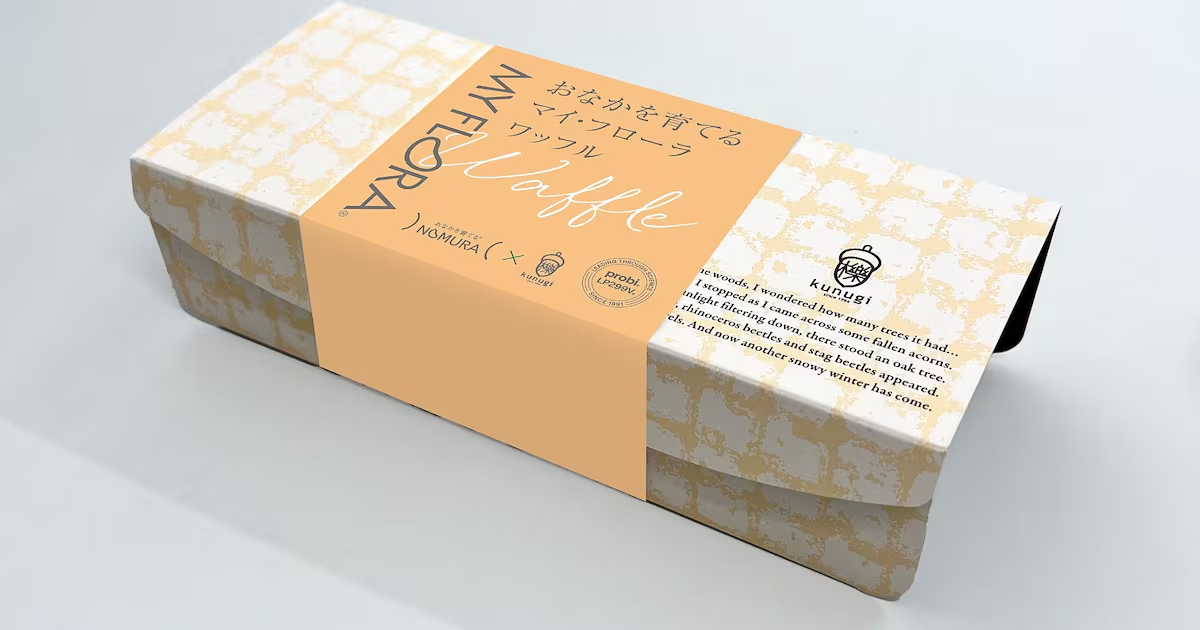
Probi first introduced LP299V to Japan’s functional beverage market in 2025 through collaboration with Japanese food manufacturer Nomura Dairy.
Building on this partnership, the probiotic strain has been applied in a new bakery product called My Flora Waffle, which was launched in Japan by Nomura Dairy in collaboration with Hiroshima-based waffle specialist Kunugi.
Launched on October 1, the product uses cream made with Nomura Dairy’s My Flora gut health drink. Each waffle contains 10 billion CFU of live LP299V bacteria.
“We wanted to make gut health an accessible, enjoyable and familiar part of everyday routines. Our work with Kunugi brings My Flora into a new format that combines the quality and flavor of a specialty waffle with the benefits of LP299V. We believe that with every bite, this product will give consumers a delicious new way to focus on gut health,” said Koji Nomura, Chief of R&D Department at Nomura Dairy.
Discovered and isolated from healthy human intestinal mucosa in Sweden in the 1980s, LP299V has undergone more than 35 years of scientific research and more than 90 human clinical studies, making it one of the most extensively researched Lactiplantibacillus plantarum strains available today.
In particular, an eight-week randomized, placebo-controlled study conducted among healthy Japanese adults with a tendency towards loose stools found that participants receiving a beverage containing at least 10 billion CFU of LP299V daily had significantly lower bowel movement frequency than those receiving a placebo during the assessment period.
The findings were published in the Japanese Journal of Medical and Pharmaceutical Sciences in 2025.
For Probi, the launch of My Flora Waffle underscores LP299V’s versatility in application into new formats, which enables its partners to explore novel ways to incorporate probiotic strains into food products beyond conventional probiotic drinks and supplements.
“Nomura Dairy’s My Flora Waffle is a good example of how customer collaboration can deliver exciting new applications for LP299V. Our work initially focused on a functional beverage, but this latest launch takes the strain into a different category,” Amy Lau, Marketing Manager APAC at Probi, added.
The company looks to continue contributing to the development of products that can bring science-backed probiotic solutions to new occasions and markets.
Extending reach in Thailand

Probi is also strengthening its presence in Thailand with a new development—a multi-biotic supplement containing LP299V has recently debuted in the market.
Named TRIBIOTIC PRO and sold under the brand BioActive+, the supplement combines 11 pre-, pro- and postbiotics in a single formulation with LP299V as the key probiotic ingredient.
Targeted supporting the whole gut ecosystem, it comes as a ready-to-eat powder with a recommended dosage of one sachet a day. It claims to be “ideal for” people with bloating issues or irregular bowel habits.
According to Probi, as consumer interest in gut health and microbiome science grows, brands and supplement manufacturers continue to look for biotic ingredients with a credible scientific foundation, a clear mechanism, and proven efficacy.
The selection of LP299V shows how collaboration between local brands in Asia and specialist ingredient suppliers in the Nordics can translate scientific expertise into new products for specific regional markets.
“We value partnerships that bring together local market understanding and established probiotic science. The launch is an important opportunity to extend the reach of LP299V in Thailand and further develop our presence across South East Asia,” Lau said.
Through these partnerships, Probi aims to continuously offer its biotic ingredients to new product applications and markets, supporting customers seeking research-backed solutions for the evolving microbiome health category.
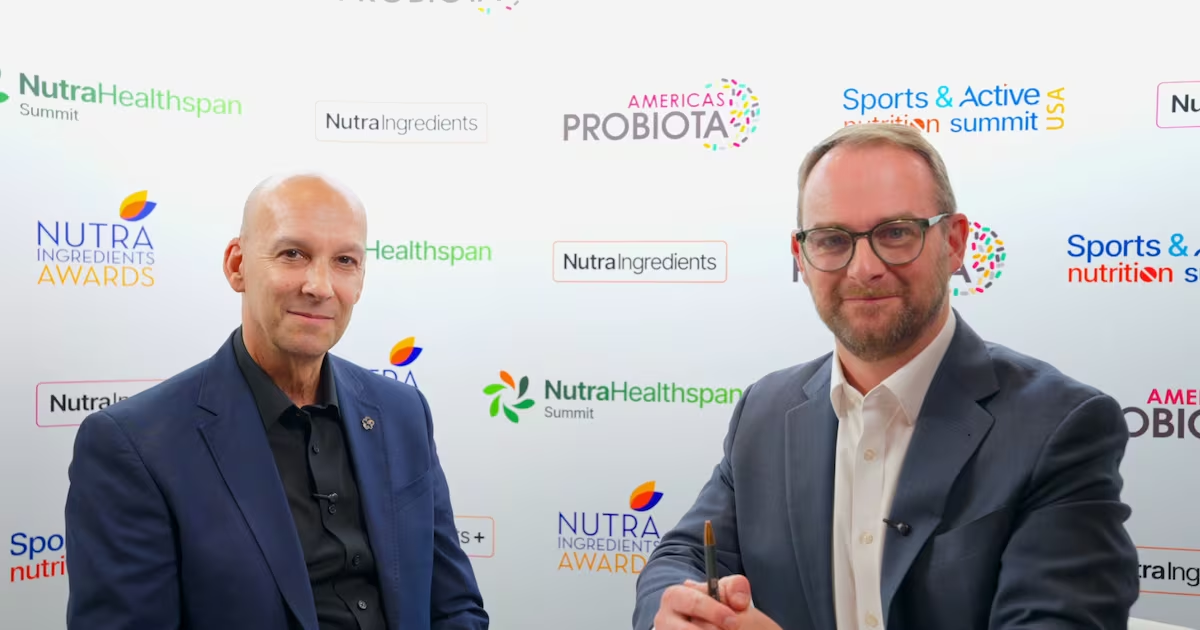

Speaking with NutraIngredients at the recent SupplySide Global in Las Vegas, Doug Brown, the CEO of Amai Proteins, explained that sweet proteins are found naturally in different plants, but they previously posed challenges to produce industrially because of cost, availability, stability and taste profile. Amai Proteins (‘Amai’ is ‘sweet’ in Japanese) uses precision fermentation to produce its sweelin hyper-sweet protein that is 3000 times sweeter than sugar in most applications.
“Sweet proteins are a new category for the market,” said Brown. “We are really just sort of at our launching point for the whole industry. I think we’re having a moment right now because there’s a converging with the GLP-1 movement, the higher protein movement.”
Findings from a clinical trial, published earlier this year in Food Chemistry, showed that sweelin does not increase blood glucose, insulin or GLP-1 levels in healthy individuals. The ingredient was comparable to stevia, but at a much lower dose (0.051 grams of sweelin compared to 0.225 g of Reb-M).
“These findings support the potential of sweelin as a metabolically neutral sugar alternative that can support consumers who are trying to reduce added sugars in their diet,” wrote the study’s authors.
Amai Proteins has already received a letter of no objection for the GRAS (Generally Recognized as Safe) status of the ingredient in the U.S., which adds to regulatory clearance already achieved in Israel and Singapore, said Brown.
“We are expanding those regulatory efforts in Europe as well as Australia, China, Japan, most of the rest of the world, Latin America. Sugar reduction is a key component in most societies right now, so our goal is to be able to meet the need everywhere,” he added.
Stability and applications
Brown noted that, on a cost basis, since the ingredient is so much sweeter than sugar, it actually turns out to be less costly than sugar.
“For most applications, you’re not going to just take out all the sugar and replace it with the sweet protein because sugar adds other characteristics, mouthfeel, etc., and bulk, but it allows you opportunities to create a higher value proposition in the consumer product, whether it’s a beverage, a stick pack, a dry mix, chocolate, gum. It’s a whole host of sports nutrition products, and the real value here is that you can you gives you greater ability to formulate because you’re not adding calories, you’re reducing the sugar content in the bulk,” he said.
The ingredient is very heat stable, up to a point, he added, noting that sweelin works “perfectly well” in any application prepared below 95 Celsius (203 F) and 10 minutes of heat duration.
“You might combine it with other alternative sweeteners like munk fruit or stevia to create the right flavor profile depending on the product,” said Brown. “There’s a lot of optionality here. It’s very exciting.”
Watch the video for the full interview
-
 HEALTH & WELLNESS8 years ago
Acidophilus: A Probiotic Bacterium
-

 herbs3 years ago
The Ultimate Guide to Ashwagandha Extract: Stress Relief and Optimal Health Unveiled
-
 HEALTH & WELLNESS7 years ago
Herbs and Essential Oils to Fight Coronavirus
-
 TRAINING & FITNESS8 years ago
6 Ways to Decrease your Shoulder Pain!
-
 Fitness8 years ago
“No Pain, No Gain” True or Just a Fitness Myth
-
 HEALTH & WELLNESS8 years ago
Why Muscles Get Sore
-
 DIET & NUTRITION8 years ago
Low Carb Diet: Carbohydrates Influence on Testosterone
-
 TRAINING & FITNESS7 years ago
Training to Failure Every Set… Pathway to New Muscle or Pathway to Overtraining?