
Get Fit. Live Better. Stay Inspired.

Subscribe to Fit In Style Magazine and get the latest fitness tips, health and wellness insights. 25% Coupons for 10 Subscribers Daily!

Skip to content
Fit in Style Magazine
  • Health & Wellness

    Health & Wellness

    All Health & Wellness stories

    Latest

    • Performance Supplementation
    • Spot reduction doesn’t work
    • 8 Tips to Making a Better Healthy Smoothie
    • Turmeric vs Curcumin
    • Benefits of Herbal Aloe Vera
    Health & Wellness

    rewrite this title Top 7 supplements for skin health in India (2026)

    Health & Wellness

    Magtein® supports cognitive processes and overall mental well-being

    Health & Wellness

    5 Skincare Regimens Perfect for Spring and Summer

  • Diet & Nutrition

    Diet & Nutrition

    All Diet & Nutrition stories

    Latest

    • Losing Body Fat to Increase Testosterone, Here is your Guide
    • Eating White Rice Makes Bodybuilders Fat
    • Fad Diets That Make You Lose Weight In Days
    • Intermittent Fasting – Increase Fat Loss and Lean Muscle Mass
    • The Truth About Fad Diets
    Diet & Nutrition

    Performance Supplementation

    Diet & Nutrition

    Holistic Remedies for Higher Health

    Diet & Nutrition

    3 foods That Boost Your Immunity

  • Training & Fitness

    Training & Fitness

    All Training & Fitness stories

    Latest

    • Calf Cramps – 5 Ways to Avoid the Pain
    • Maximize the growth of the triceps without damaging your joints
    • Squat : 3 Tips to Help You Master the Squat
    • Why Women Over the Age of 50 Should Train
    • Beach Workout – To Go Routine
    Training & Fitness

    Working The Transverse Ab Muscles

    Training & Fitness

    Training to Failure Every Set… Pathway to New Muscle or Pathway to Overtraining?

    Training & Fitness

    When Training to Failure Can Hurt You

  • Supplements

    Supplements

    All Supplements stories

    Latest

    • Probi’s probiotic strain expands footprint in application format and market
    • Amai Proteins CEO: Sweet proteins are having a moment right now
    • Japan focus: Mist supplement, NMN, andropause, healthy longevity and more
    • ADPI: Healthy aging a missed opportunity for whey protein
    • NutraCast: Akkermansia research points to postbiotic potential for metabolic health, weight maintenance
    Supplements

    NutraWomen Wednesday: Blaire Edwards-Maschotta of Herbs, Etc.

    Supplements

    Exploring Sports nutrition ingredients that help athletes handle extreme heat

    Supplements

    Too young to age: Consumers are rewriting the rules of longevity

  • Shop
    • My Account
  • Cart
  • Contact Us

Uncategorized

Quest Vanilla Spiced Mug Cake Recipe

Published

47 minutes ago

on

November 25, 2026

By

fitinstyle
Quest Vanilla Spiced Mug Cake Recipe
  • Share
  • Tweet

Quest Vanilla Spiced Mug Cake Recipe

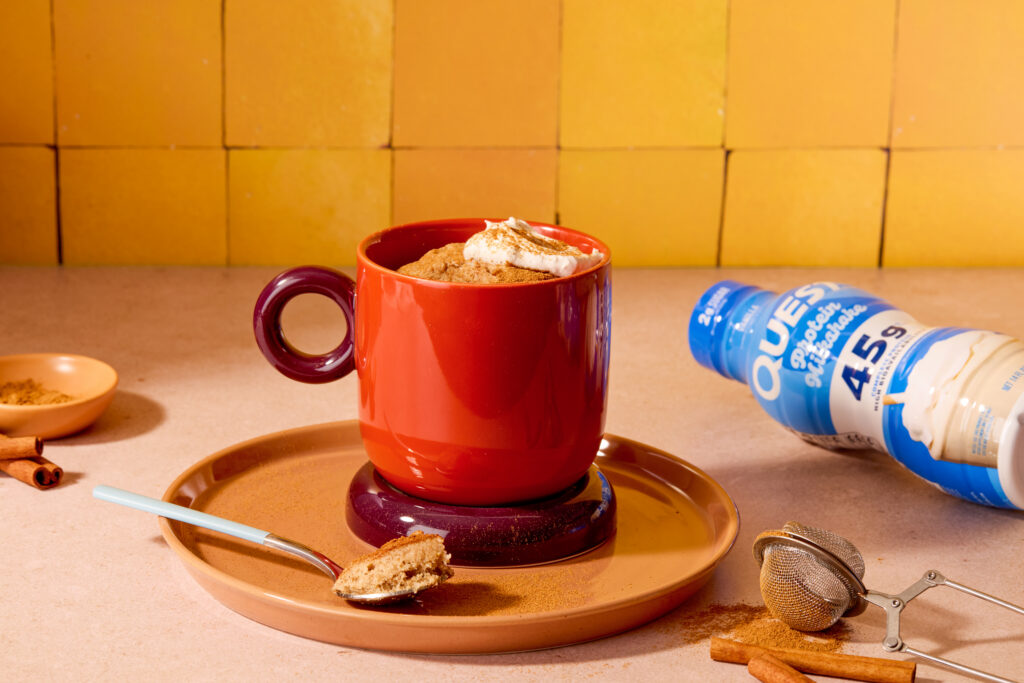
At some point, “vanilla” became shorthand for boring, and frankly, we’re not sure who authorized that. Questified Vanilla Spiced Mug Cake would like the record corrected. Quest Vanilla Flavored Protein Milkshake gets mixed up with cinnamon and allspice, then emerges warm, fluffy, and decidedly more delicious than the haters would suggest. Top it with whipped cream and another dusting of cinnamon. Vanilla would like an apology.

Check out the full recipe below:

NUTRITIONAL INFO

VANILLA SPICE MUG CAKE

Yields: 2 servings |  Serving Size: 1/2 mug cake

Calories: 120  | Protein: 10g | Fat: 5g | Net Carb: 8g

Total Carb: 10g | Sugar: 0g

Ingredients

VANILLA SPICE MUG CAKE

  • ¼ cup + 2 tbsp Quest Vanilla Milkshake Protein Shake
  • 1 egg white
  • 2 tbsp gluten free flour
  • 2 tbsp almond flour
  • 1 tbsp coconut flour
  • ½ tsp zero calorie sweetener
  • ¼ cup baking powder
  • ¼ tsp cinnamon
  • ⅛ tsp all spice
  • Pinch salt

Method

  1. Place the dry ingredients into a bowl and whisk to combine.
  2. Add in the Quest Vanilla Protein Shake and egg white and stir until no dry spots remain.
  3. Spray a mug with non-stick spray and pour the batter into the bottom.
  4. Cook the mug cake in the microwave on high for 60-80 seconds.
  5. Top with more cinnamon or whipped cream and serve.

Related Topics:
Don't Miss

Do Meat-Eaters Have More Antibiotic Resistance in Their Guts?

Continue Reading

You may like

Click to comment

Leave a Reply

Cancel reply

Your email address will not be published. Required fields are marked *

Uncategorized

Do Meat-Eaters Have More Antibiotic Resistance in Their Guts?

Published

7 hours ago

on

November 25, 2026

By

fitinstyle
Do Meat-Eaters Have More Antibiotic Resistance in Their Guts?

Do Meat-Eaters Have More Antibiotic Resistance in Their Guts?

Those eating plant-based have a reduced load of antibiotic resistance genes in their gut.

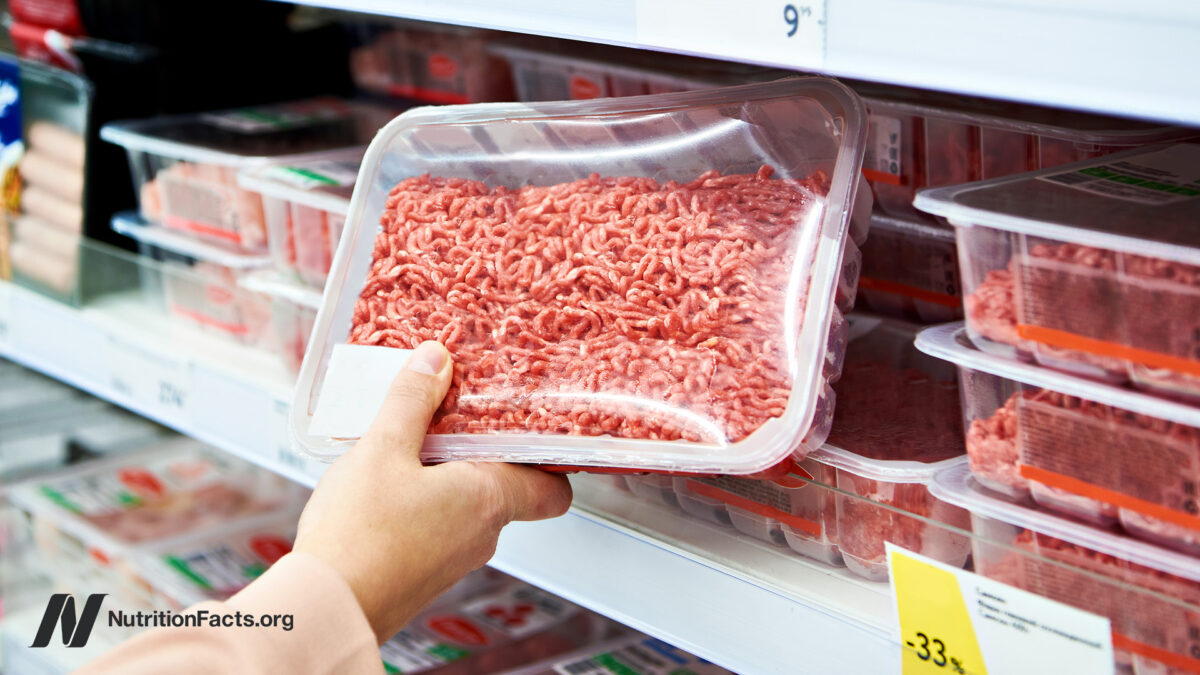
There are nearly one million Salmonella and Campylobacter infections in children 10 years and younger each year in the United States alone. Some of these infections are severe, causing meningitis and death, and requiring treatment with antibiotics. However, there’s an increasing problem of antibiotic resistance among these bugs that threatens our ability to treat them. Part of the issue is that the same life-saving, miracle-drug antibiotics are being squandered in animals raised for food for things like growth promotion in unhygienic, crowded conditions, which increases the likelihood that pathogens like Salmonella or Campylobacter will become resistant. (I’ve done a bunch of videos on this.) There’s another problem. The resistance determinants, the genes that encode antibiotic resistance, may be transmitted from farm animals to humans through the food supply. Most antibiotic-resistant bacteria have mobile genetic elements—these little circles of DNA called plasmids—that carry the resistance genes that they can pass on to other bacteria, including those in our own gut.

Farm animals are, therefore, “a reservoir of antibiotic resistance genes and a potential vector for transmission” of these resistance genes to the human intestinal microbiota. In one study, researchers used a model that mimics the human intestines to assess the transfer of an antibiotic-resistance plasmid from E. coli originating from a chicken raised for meat to bacteria in the human gut. And it happened within two hours. This spread of antibiotic-resistance genes presents “an alarming scenario,” “a growing concern that antibiotic resistant bacteria present on food can transfer their resistance genes to the inherent gut microbiota of the consumer,” as you can see here and at 1:51 in my video Antibiotic Resistance Genes in the Guts of Vegetarians vs. Meat-Eaters.

But you don’t know until you put it to the test. Researchers compared antibiotic-resistance gene loads in the gut bacteria of vegans, vegetarians, and omnivores. You’d think the results might be obvious, but antibiotic-resistance genes are spread by applying manure to agricultural fields of fruits and vegetables. Yes, massive antibiotic use in animal farming is thought to be the greatest contributor to antibiotic-resistant bacteria in foods of animal origin, such as meat, eggs, and dairy. However, sewage from treated animals may impact vegetables grown on fertilized fields, but it was largely unknown whether, and to what extent, antibiotic-resistant bacteria are being transferred to vegetables and then to the human gut. That is, until researchers looked for antibiotic-resistant genes against sulfa drugs like Bactrim, tetracyclines, penicillins and cephalosporins, and streptomycin-type antibiotics. They found both omnivores and vegetarians showed a significantly higher antibiotic-resistant gene load in their guts compared to vegans.

There wasn’t a significant difference between omnivores and vegetarians, but vegans had significantly lower loads than both omnivores and vegetarians—“the first evidence that a vegan life style is associated with a reduced load of human gut [antibiotic-resistant genes],” but not the last. There were fewer tetracycline-resistance genes in vegan guts and more vancomycin-resistance genes in the guts of those who eat meat. That’s no surprise, since they found a correlation between tetracycline-resistance genes and the intake of eggs, milk, and cheese, and a higher incidence of vancomycin-resistance genes was found in those who ate eggs, poultry, fish, and seafood. Vancomycin is one of our antibiotics of last resort, used to treat serious life-threatening strep and staph infections like MRSA.

Despite the links to dairy and eggs, just cutting out meat has indeed been shown to offer an advantage in some studies, as bacteria obtained from meat-eater stool samples showed resistance to a greater number of antibiotics and carried more tested antibiotic-resistance genes compared to vegan or vegetarian stool samples.

Doctor’s Note

The combined lobbying might of Big Ag and Big Pharma has prevented the United States from following the recommendations of nearly every major medical and public health entity to restrict the use of life-saving drugs to prop up agribusiness. Shame on the animal agriculture and pharmaceutical industries. More on this unacceptable practice in:

Continue Reading

Uncategorized

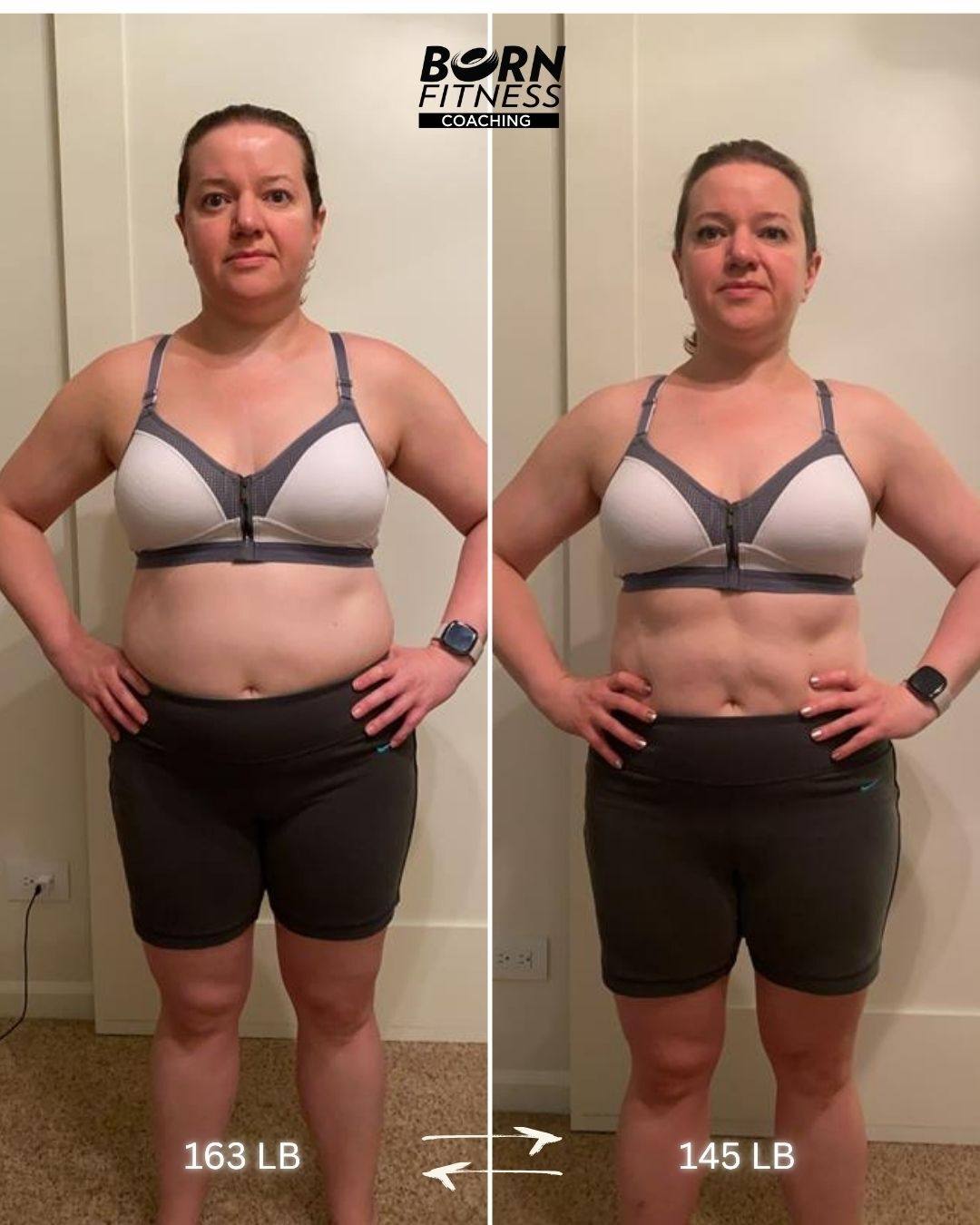
What Sustainable Fat Loss Really Looks Like (Janet’s 19-Pound Shift)

Published

13 hours ago

on

November 25, 2026

By

fitinstyle
What Sustainable Fat Loss Really Looks Like (Janet’s 19-Pound Shift)

What Sustainable Fat Loss Really Looks Like (Janet’s 19-Pound Shift)

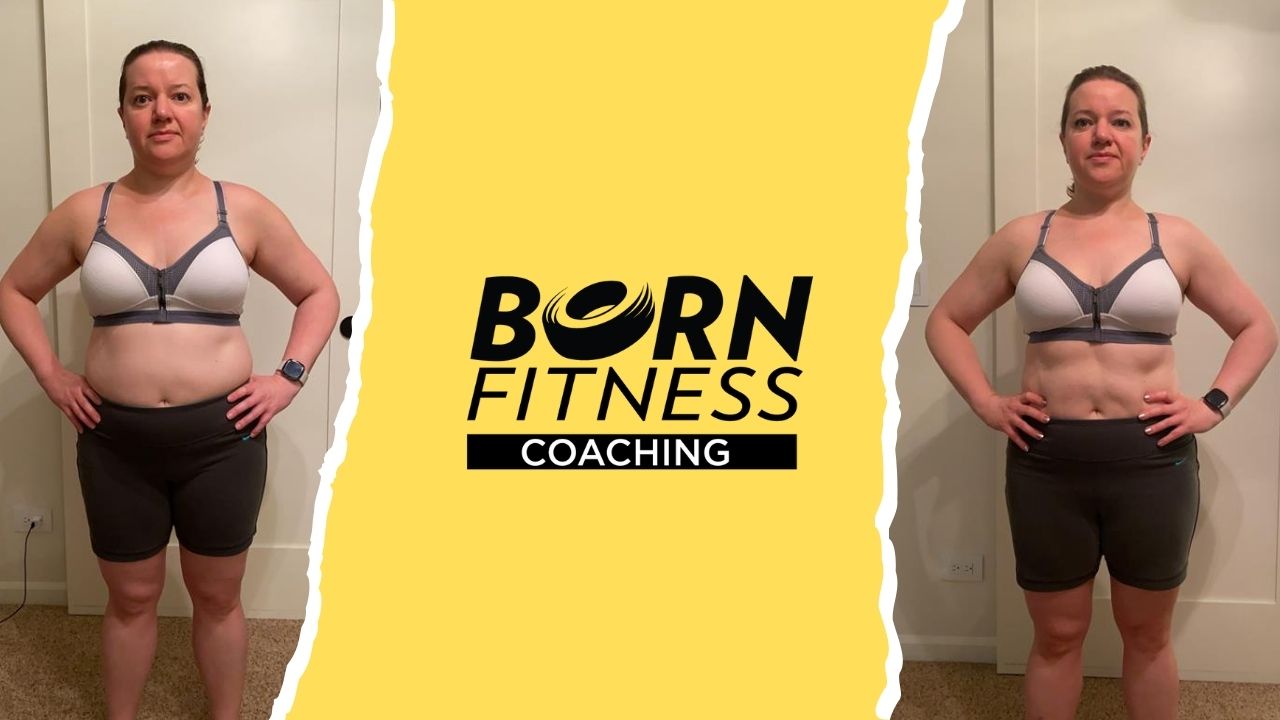
We don’t believe in “hacks” when it comes to fitness. But if there’s one sustainable fat loss insight that could change everything, this might be it.

Janet lost ~19 pounds from August to January — without starving herself, obsessing over macros, or cutting out all the foods she loves.

What finally clicked for her might change how you approach fat loss too.

Janet’s Before: The All-or-Nothing Trap

The first rule of fat loss is you need to be in a caloric deficit. In non-science speak, you need to eat less than what you burn daily. 

But, right here is where we try to break from what you’ve been told. 

Like many people, Janet believed fat loss meant eating as little as possible — and that belief kept backfiring. She spent years trapped in the restrict-then-rebound cycle. She’d lose some weight, then gain it back the moment stress spiked or her willpower faded.

A caloric deficit doesn’t mean you have to starve or restrict all of your favorite foods. That is just the ticking time bomb of fat loss. The moment you make that decision, it’s inevitable that the plan will explode in your face. 

The Shift: A New Way to Look at Fat Loss

“We should be able to eat as much as we can and still lose weight.”

That one sentence flipped the script for Janet. Instead of asking “How little can I eat?” she started asking, “How much can I eat — while still making progress?”

That’s the hack. It might not seem like much, but it’s the “A-ha!” moment that changes things for most of our coaching clients. Then we help build habits, schedules, and foods you can enjoy around that life-changing fat loss approach. 

You see, much of dieting success comes down to how well you can figure out when you need to eat more and when you need to eat less. This is how you create a sustainable calorie deficit. 

While you can count macros to make this happen, to make this stick long term you’ll also need to shift your fat loss mindset, learn to tap into your hunger cues, and understand how to eat in a way that both helps you lose weight and feels sustainable.

From Starving to Sustainable: What Janet’s Fat Loss Plan Looked Like

Janet’s transformation didn’t require extreme dieting, hours of cardio, or giving up the foods she loved. Instead, it looked like this:

  • Including favorite foods intentionally – Pizza night with the family wasn’t banned. She learned how to enjoy indulgences without guilt or spiraling. 
  • Walking most days – Nothing fancy. Just consistent daily movement that helped support recovery, stress, and calorie burn. 
  • Strength trained 3 times per week – Circuit based workouts that increased calorie burn by decreasing rest periods and increasing volume. Later on, Janet progressed to a strength-building focus.  
  • Adjusted her intake based on life – When she was hungrier or more active, she ate more. On quieter days, she pulled back. No rigid rules, just awareness and flexibility. 

The result? A plan that matched her lifestyle, not one that required a complete overhaul.

Why Sustainable Fat Loss Worked for Janet

There was no “perfect” diet or magical workout.

What changed was Janet’s mindset around fat loss.

She shifted from trying to follow someone else’s strict plan… to learning how to build a structure that actually fit her reality. One she could repeat even when life got messy.

That’s the real “hack.” It’s not about doing more — it’s about doing what matters most consistently.

In Janet’s words: 

“Other programs want to tout the whole, ‘It’s a lifestyle change,’ when I think this is the only one I’ve done that actually is. And that’s why I feel the way I do like I’m not really on a program because everything I’m doing now is how I normally live. Part of me does wonder how this all happened because, dare I say, it’s been pretty easy.”


​​Key Takeaways for You

If you’re stuck in the same restrict-rebound cycle Janet was in, start here:

  • Flip your mindset from “how little can I eat?” to “how much can I eat and still make progress?”
  • Don’t cut everything you love. Sustainable fat loss includes satisfaction, not just sacrifice.
  • Focus on patterns, not perfection. Janet wasn’t perfect — she was consistent.
  • Build around your real life. Stress, busy weeks, travel — they’ll happen. Your plan should flex with you.

Want results that actually stick — like Janet’s?

Our 2:1 coaching isn’t about rules or restrictions. It’s about building something that works for your life. If you’re tired of starting over, let’s build your last fat loss plan together. Learn more about our 1:1 coaching here. 

bj ward born fitness trainer

B.J. holds a B.S. in Health and Human Performance and multiple certifications, including Precision Nutrition Level 1 and BioForce Certified Conditioning Coach. Over his 14-year coaching career, he’s been fortunate enough to coach a wide range of clients. From online clients looking to get in great shape to CEO Nate Checketts (Rhone) and CEO Marcelo Claure (Softbank), and professional skateboarder Sean Malto. Before beginning his training career, he was a sports science lab research assistant.

Continue Reading

Uncategorized

8 Signs Your Body Says You’re Not Eating Enough

Published

19 hours ago

on

November 25, 2026

By

fitinstyle
8 Signs Your Body Says You're Not Eating Enough

8 Signs Your Body Says You’re Not Eating Enough

Learn to recognize the signs and symptoms your body uses to communicate to you that you aren’t eating enough. 

Stress, busy schedules, illnesses, grief, and the hustle and bustle of everyday life can take a toll on us. More specifically, our appetites and the way our bodies regulate hunger. This can often lead to us not eating enough. Additionally, many people in the pursuit of weight loss often end up unintentionally undereating or restricting to achieve that goal.

Whatever the cause, not eating enough food and depriving your body of important nutrients can manifest in ways that wreak havoc on your metabolism and hormones. Both of which may take longer to notice if you’ve been consistently undereating.

8 Symptoms You May Experience if You’re Not Eating Enough

Let’s dive in and take a look at the not-so-subtle signs that your body may not be getting enough vital protein, carbohydrates, and fat, and what you can do to increase your food intake with a balanced diet.

1. Low Energy

If you’ve been feeling straight-up exhausted for several weeks, regardless of how much you snooze or the quality of your sleep, it might be time to re-evaluate your diet. When we’re perpetually undereating, the body isn’t able to fuel itself properly. That may cause you to feel lethargic and sluggish. 

We often see this in the case of low-carbohydrate diets specifically. Seeing as though starchy carbohydrates are the body’s primary source of fast energy, it makes sense that restricting them can lead to less-than-ideal energy levels. 

Take a look at your usual intake regarding both volumes as well as variety. Are you consuming balanced meals that incorporate all of the Foundational Five components? Including starchy carbohydrates? Are you eating when you’re hungry and listening to your body’s cues? Take a moment to reflect here and see if you can make some adjustments. 

2. Dizziness

Dizziness can be one of the first physical signs of not eating enough. When you’re not eating enough food, your blood sugar levels can plummet and make you feel dizzy or faint. If you’re continually feeling lightheaded and can’t quite figure out why, take a look at your food intake. 

For a quick snack boost, eat something with carbohydrates and protein, like a banana with some almond butter, a handful of berries and nuts, or veggie sticks with some hummus. This combination of carbohydrates and protein will help increase and stabilize your blood sugar levels to help boost your energy.

However, if the dizziness persists after making these changes to your nutrition and your lifestyle, chat with your doctor to rule out possible issues.

3. Poor Cognition and Productivity (i.e., Brain Fog)

Ever have moments of forgetfulness where you say things like, “Where did I put my keys?”? That happens to us all, but frequent brain fog could be your body’s way of telling you to check in with how you’re nourishing yourself (i.e., eat more food)! Brain fog can be a sign of several health challenges, but it’s also one of the key symptoms of not eating enough throughout the day.

Postponing lunches or interrupting your normal meal times to attend meetings or take calls delays the energy your body needs to keep going. So if that 3 p.m. lull hits hard and you realize you haven’t had lunch, that’s your cue to head to the kitchen or grab a snack.

It’s best to fill up on whole foods as best as you can. Go for a hearty salad with plenty of fresh veggies, maybe some sweet potatoes, avocado, grilled chicken, or protein of your choice, and a tasty dressing. Foods rich in B-vitamins, omega-3 fatty acids, folate, and antioxidants can help boost brain function and prevent cognitive decline (1). Bye-bye brain fog.

4. Hair Loss and Brittle Nails

This may come as a surprise to you, but if you’re not eating enough food or getting enough nutrients, the highest priority organs will take the lead in getting those nutrients. This includes your brain, heart, and lungs, rather than your hair, skin, and nails. Hair, skin, and nail health are closely tied to what you eat, along with how many vitamins and minerals your body is absorbing.

It’s normal to lose between 50 and 100 strands of hair every day. If you’re losing more locks than usual and your nails seem to break more easily, you may want to focus on nourishing your hair and nails from the inside out.

Start by eating foods that help produce more keratin, the protein that strengthens your hair and nails. Spinach, beans, oatmeal, salmon, eggs, and berries are all excellent sources of hair- and nail-loving nutrients. Protein, biotin, iron, vitamin B12, and omega-3 fatty acids, in particular, are the best nutrients for helping you maintain the thickness, luster, and growth of your crop.

5. Irritable Mood

Hanger is a real emotion! If you’re battling a busy day and rush out the door without breakfast, your blood sugar and your mood can take a real dip. Studies show that low glucose levels can actually cause aggression and violent behavior (2). So when you haven’t had anything to eat, irritability may be one of the first noticeable side effects of not eating enough food. 

The best way to prevent “hanger” is to eat regular meals and nourishing snacks. Enjoying consistent meal times will help keep your blood sugar stable, so you can stay on track with your positive mood and good energy. When you feel that first sign of hunger coming, don’t push it off! Listen to it and grab either a meal or a snack, depending on the degree of hunger you’re experiencing to keep you feeling like your best self versus the moody, irritable version.

6. Feeling Chilly

Got the chills, all the time? You need to consume a substantial amount of food to keep your body warm while performing other bodily functions.

If you’re not eating enough, you’re probably not able to efficiently carry out thermogenesis, which is a process that helps your body generate heat. Some research suggests that people who follow a restrictive diet have lower body temperatures than those who don’t (3).

Women who are also underweight or have low body fat might develop “downy” hair (also known as lanugo), as a way for their bodies to cope with heat loss. When your body doesn’t have enough body fat to heat itself up, it can grow lanugo to help trap heat. It’s common in people with anorexia nervosa or people who are extremely thin.

7. Constant Thirst

Making sure you eat enough is actually one way you can manage your hydration levels. Many of the electrolytes you get from food affect thirst. These include sodium, potassium, and magnesium. If you still feel thirsty after chugging down a glass of water, it’s a red flag that you may not be consuming enough calories.

Sometimes, your body can also mistake thirst for hunger and misguide you away from the water bottle. Just remember to aim for hydrating beverages such as caffeine-free teas, carbonated unsweetened seltzers, and good ‘ole water. 

8. Amenorrhea

Amenorrhea is the scientific term for missing your period. Women may miss their periods for a variety of reasons, including pregnancy, changes in diet, and stress. Sometimes, certain medications you take, including contraception, can affect your cycle, too. Specific health conditions like hypothyroidism and polycystic ovarian syndrome can also affect your hormone levels and, therefore, your period as well.

Amenorrhea can also happen if you don’t eat enough and have low body fat or are underweight (about 10 percent under “normal” weight), which is different for each of us. Being underweight can stop ovulation and cause abnormal changes in your hormones, which is why some women with disordered eating habits or women who are high-performing athletes may often miss their periods. In some cases, their bodies also aren’t getting enough nutrients to carry out normal bodily functions.

The female athlete triad is basically an interrelated cycle that includes low energy intake, amenorrhea, and low bone density. This is most often seen in athletes who are trying to maintain a certain level of “leanness” for a particular sport like figure skating, ballet, gymnastics, or others. 

The Takeaway

The biggest takeaway from this article is to be aware and in tune with yourself and your body’s ability to show you signs that something may not feel right. Use these 8 signs and symptoms to check in with yourself and determine whether or not you may need to consume a bit more energy. 

Find Freedom & Balanced Nourishment.

Embrace a Balanced & Peaceful Relationship with Food.

If you’re looking to develop a healthier relationship with food and transform your eating habits, consider joining our online group coaching program, the Mindful Nutrition Method. Our program is designed to help you cultivate a mindful approach to eating and develop a healthier relationship with food and your body.

Get the 3-part system that will help you discover your balance, enjoy food fully, and nourish your relationship with food to feel confident, balanced, and at peace. You’ll learn the skills and strategies you need to make lasting changes to your health and well-being. Don’t wait to start your journey towards a healthier, happier you.

Join the Mindful Nutrition Method today and discover the transformative power of mindful eating.

Join Now

originally published 8/11/23
Continue Reading
Advertisement

Recent Posts

  • Quest Vanilla Spiced Mug Cake Recipe
  • NutraWomen Wednesday: Blaire Edwards-Maschotta of Herbs, Etc.
  • Do Meat-Eaters Have More Antibiotic Resistance in Their Guts?
  • What Sustainable Fat Loss Really Looks Like (Janet’s 19-Pound Shift)
  • Exploring Sports nutrition ingredients that help athletes handle extreme heat

Advertisement

Sponsored Ads

TRENDING

  • HEALTH & WELLNESS8 years ago

    Acidophilus: A Probiotic Bacterium

  • herbs3 years ago

    The Ultimate Guide to Ashwagandha Extract: Stress Relief and Optimal Health Unveiled

  • HEALTH & WELLNESS7 years ago

    Herbs and Essential Oils to Fight Coronavirus

  • TRAINING & FITNESS8 years ago

    6 Ways to Decrease your Shoulder Pain!

  • Man after workout Man after workout
    Fitness8 years ago

    “No Pain, No Gain” True or Just a Fitness Myth

  • sore sore
    HEALTH & WELLNESS8 years ago

    Why Muscles Get Sore

  • The Best Homemade Tomato Sauce The Best Homemade Tomato Sauce
    DIET & NUTRITION8 years ago

    Low Carb Diet: Carbohydrates Influence on Testosterone

  • training to failure training to failure
    TRAINING & FITNESS7 years ago

    Training to Failure Every Set… Pathway to New Muscle or Pathway to Overtraining?

Fit in Style Magazine
  • Contact
  • About Us
  • Home

© 2026 FITINSTYLE. All rights reserved. Developed by Enovate LLC. Designed by Enovate Solutions.